
PRODUCT GROUP
Baghouse Dust Collection
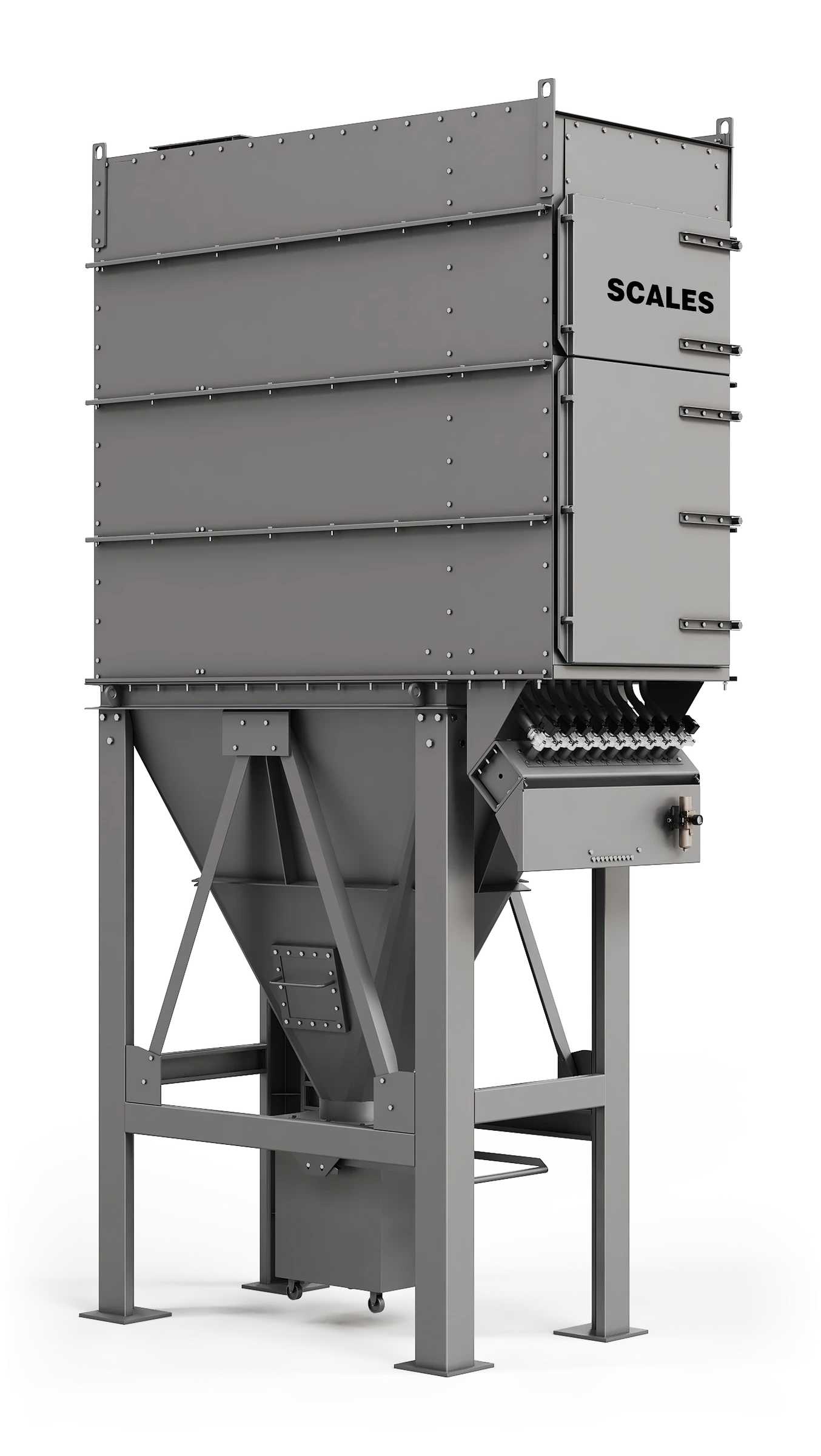
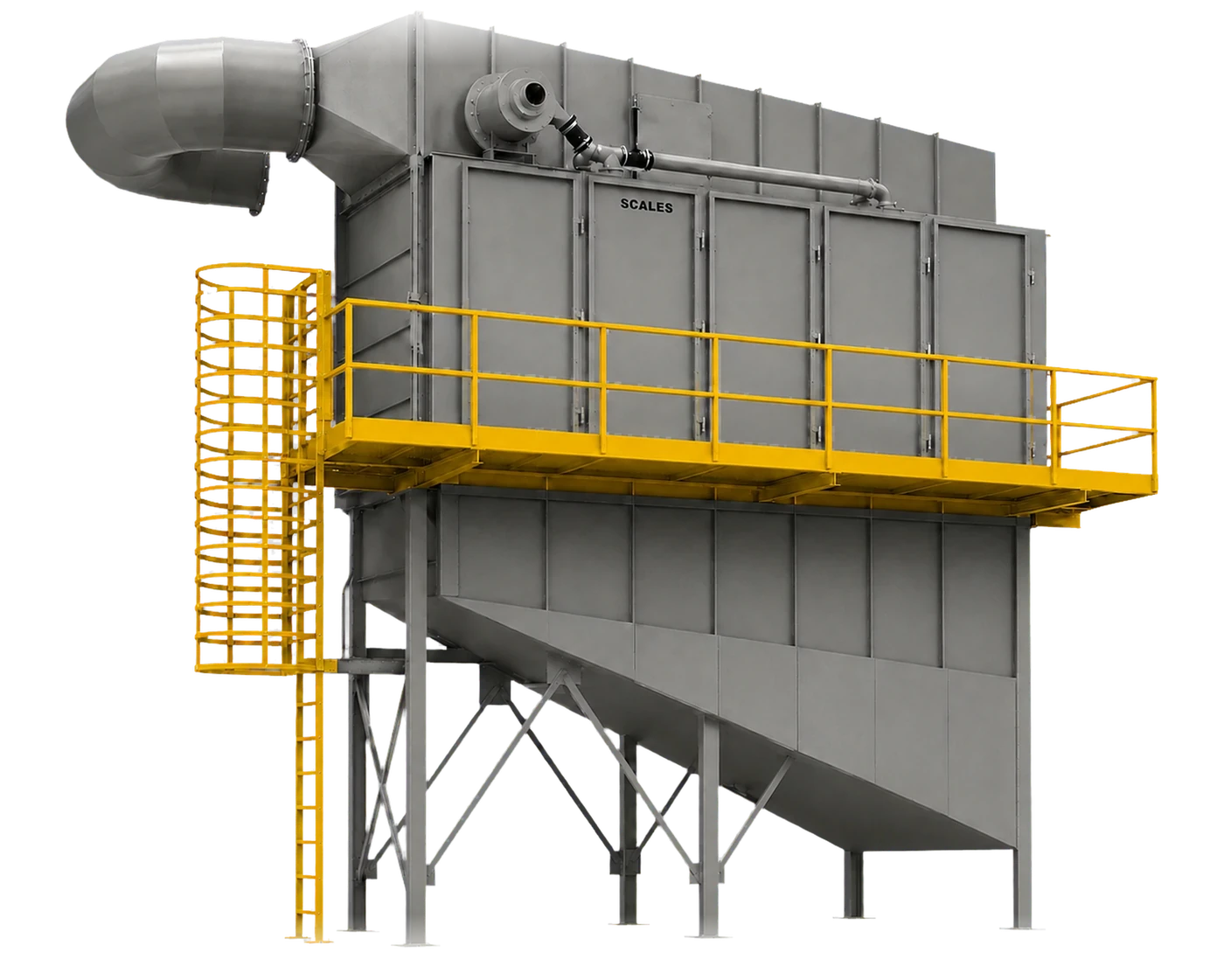
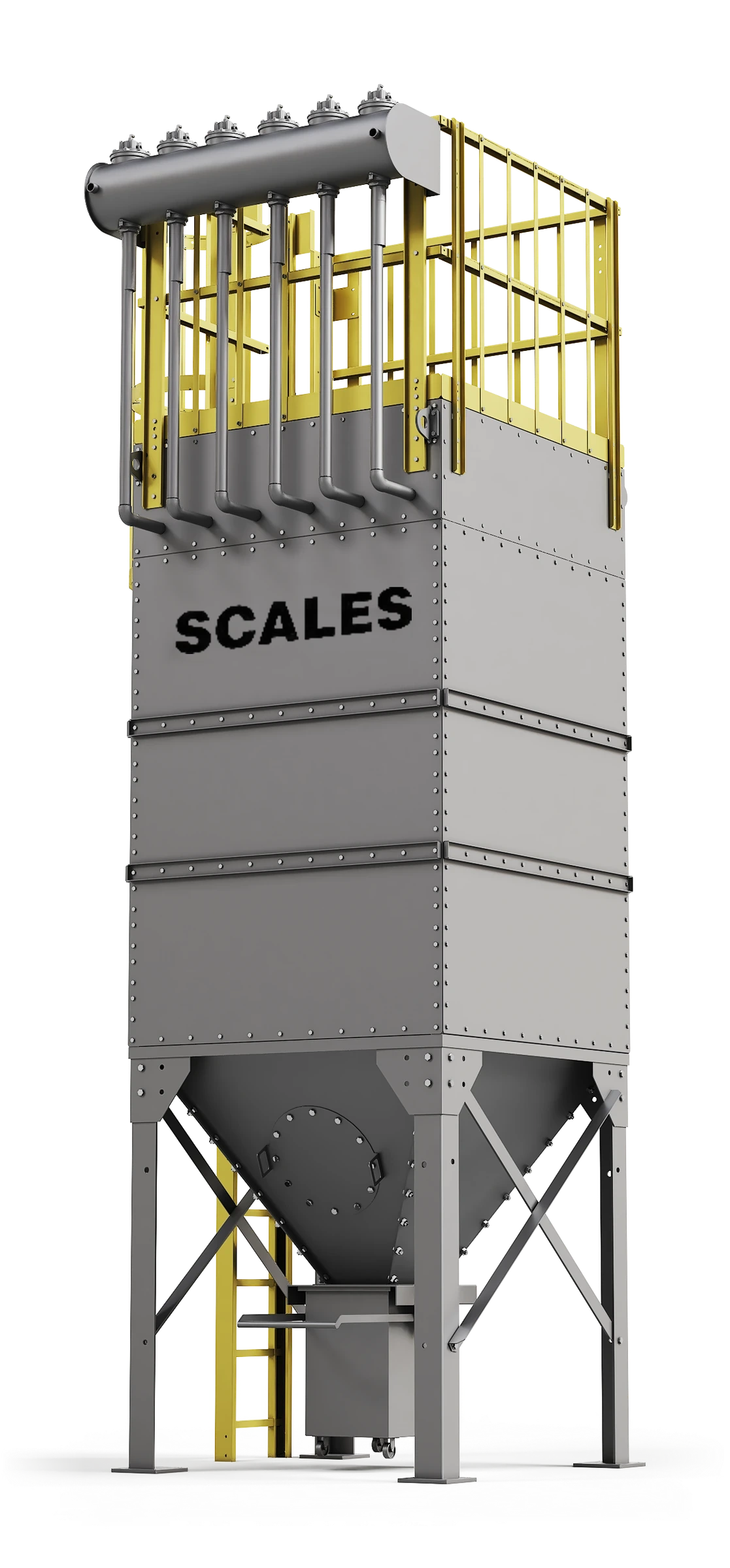
Baghouses handle heavy dust, continuous duty and higher temperatures. The three series differ in bag type and cleaning: SIB long round bags with pulse cleaning, SMC side-inserted flat bags, SMB flat bags with a travelling reverse-air trolley.
Review my processSERIES ENTRIES
01
Choosing between the three series
| Series | Bags | Range | Best for |
|---|---|---|---|
| SIB industrial baghouse | Φ160×4000 / 6000 mm round bags, pulse cleaning | SIB-4-11 to SIB-6-72, 72–1,519 m² | High-airflow, high-loading dust in foundries, building materials and chemicals |
| SMC flat-bag collector | 480×2000 mm flat bags, changed from the side | SMC-31 to SMC-610, 60–1,200 m² | Low halls; milling, drying, packing and wood sanding |
| SMB reverse-air trolley baghouse | 370×2200 mm flat bags, trolley cleans row by row | SMB-7-20-1 to SMB-7-20-11, 210–2,310 m² | Hot gas from aluminium and foundry work, quarry dust; cleans continuously without stopping |
02
Where it fits
- Foundry and melting
- Furnace fume is cooled before the baghouse; heavy shake-out and sand dust goes straight in.
- Building materials and minerals
- Crushing, screening, cement mills, lime kilns and batching plants that run all year.
- Chemicals, food and woodworking
- Milling, drying, packing and sanding; recoverable material is discharged from the hopper for reuse.
03
Conditions of use
- Bag material is chosen for inlet temperature and humidity; cool the gas if it exceeds the media rating.
- Oily or sticky dust blinds bags; assess it first or use a wet collector.
- Combustible dust needs venting, antistatic bags and earthing; SMC is available with vent panels.
- Seal the dust discharge so collected dust does not become airborne again.
NEXT STEP