
PRODUCT GROUP
High-Vacuum Dust Extraction
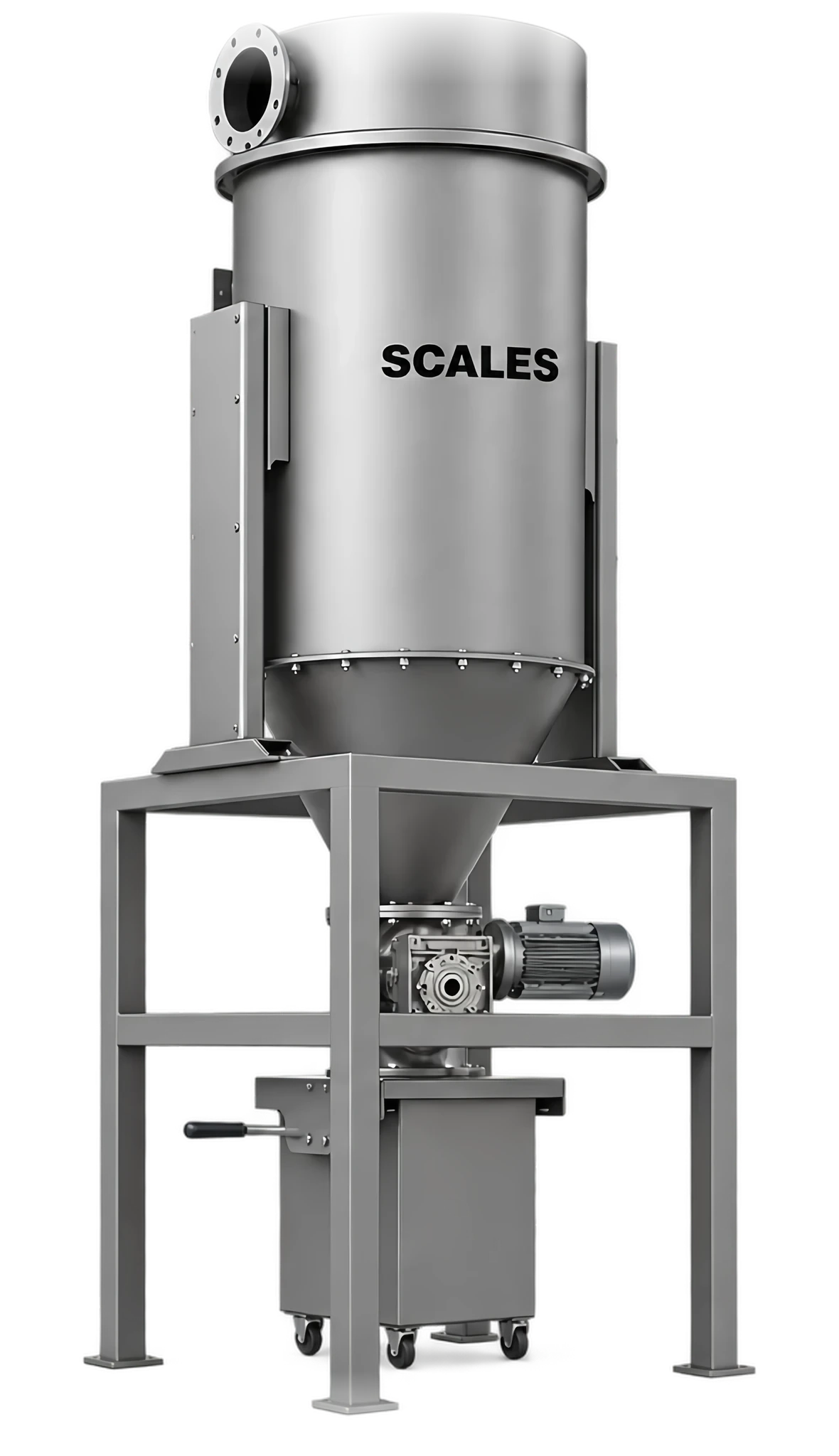
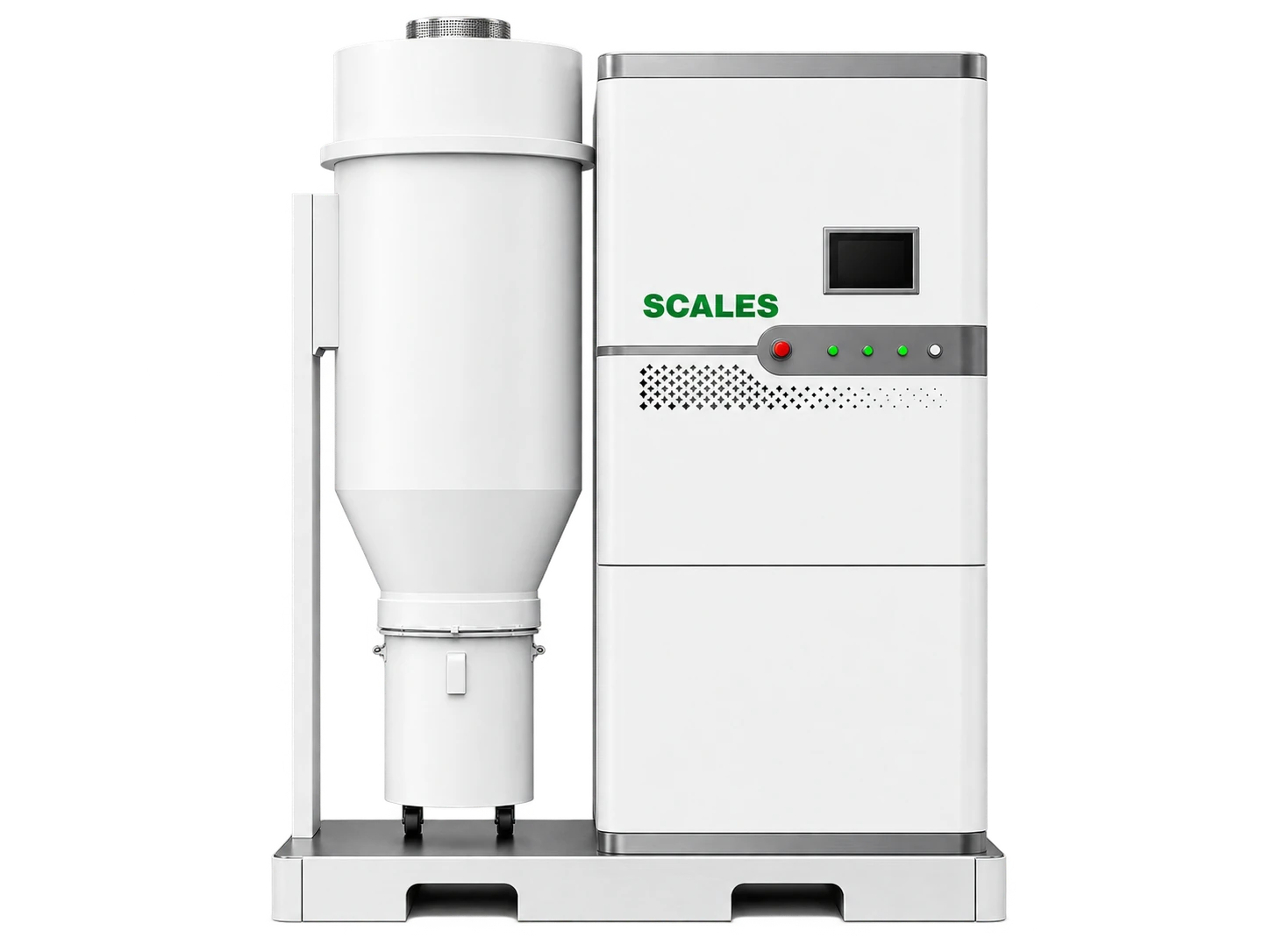
Small-bore hoses connect straight to the extraction port of a power tool or machine, so dust is removed where it is made. SVB is a modular system for many pick-up points; SVB-T is an integrated unit with suction, filtration and dust collection in one cabinet.
Review my processSERIES ENTRIES
01
Choosing between the two series
| Series | Design | Range | Best for |
|---|---|---|---|
| SVB high-vacuum baghouse | Modular bag filter units, can run in parallel | SVB-15 to SVB-120, 1,500–12,000 m³/h | Central extraction for many tools and machines across a hall |
| SVB-T integrated high-vacuum unit | Suction, filtration and dust collection in one; optional H13 or H14 final stage | SVB-T-7.5 and SVB-T-18.5, 500–1,000 m³/h | A few tools or one or two machines nearby |
02
Where it fits
- Hand-tool grinding and sanding
- Tools with built-in extraction ports connect by hose: body panels, composites and die finishing.
- Machine-port extraction
- PCB depaneling, electrode slitting and CNC carving connect to each machine with small-bore ducts.
- Powder charging and packing
- Enclosed dust points such as charging stations and bag spouts; collected material can be recovered.
03
Conditions of use
- High-vacuum systems move dust at high velocity; hose length and bends count towards pressure loss.
- Combustible dust needs an explosion-protected design; SVB-T offers explosion protection, spark detection, venting and interlocks.
- Keep conductive dust such as carbon fibre out of electrical cabinets.
- Sticky or damp dust can block hoses; assess it before selecting.
NEXT STEP