
PRODUCT GROUP
Central Cartridge Dust Collection
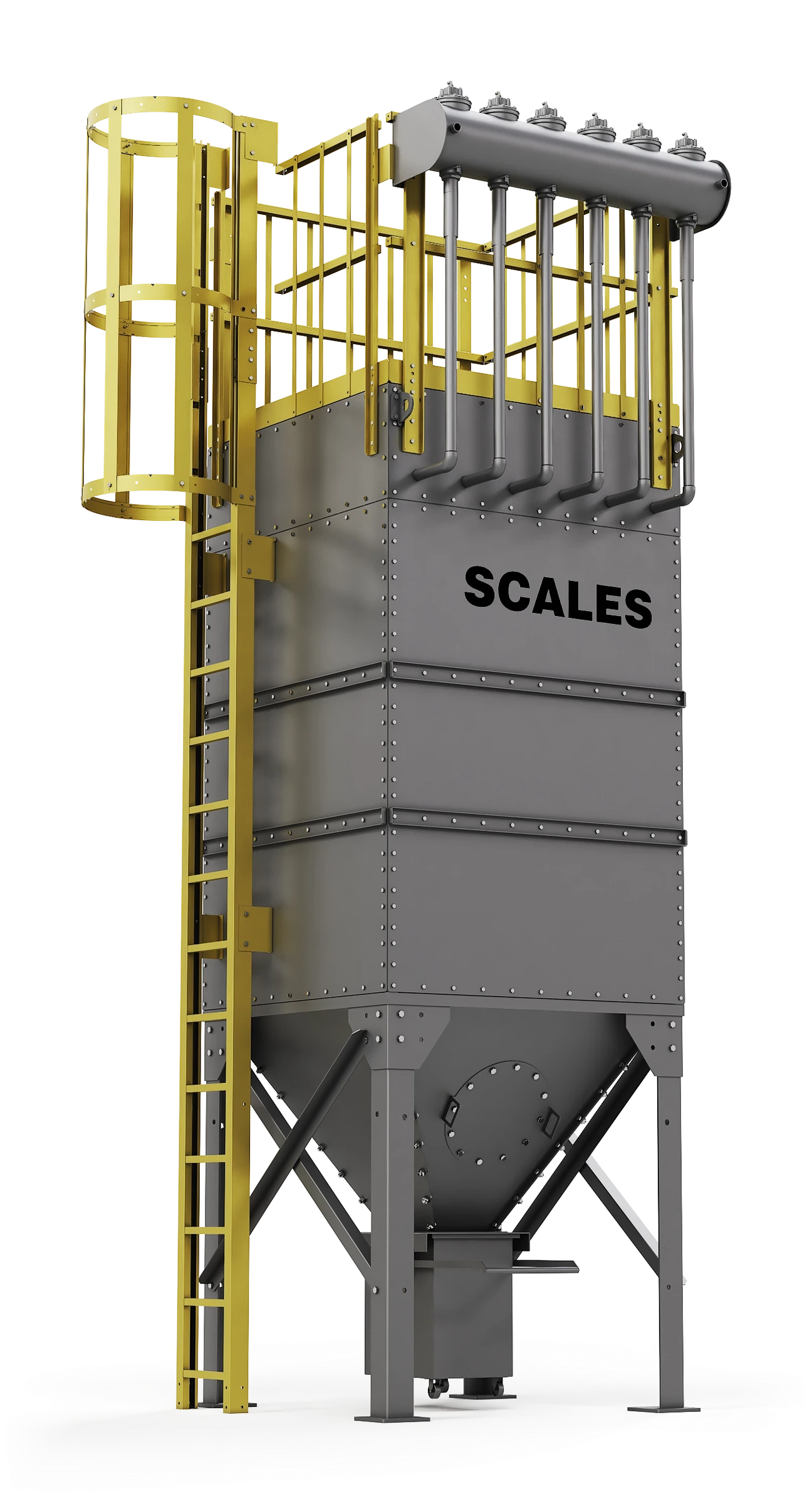
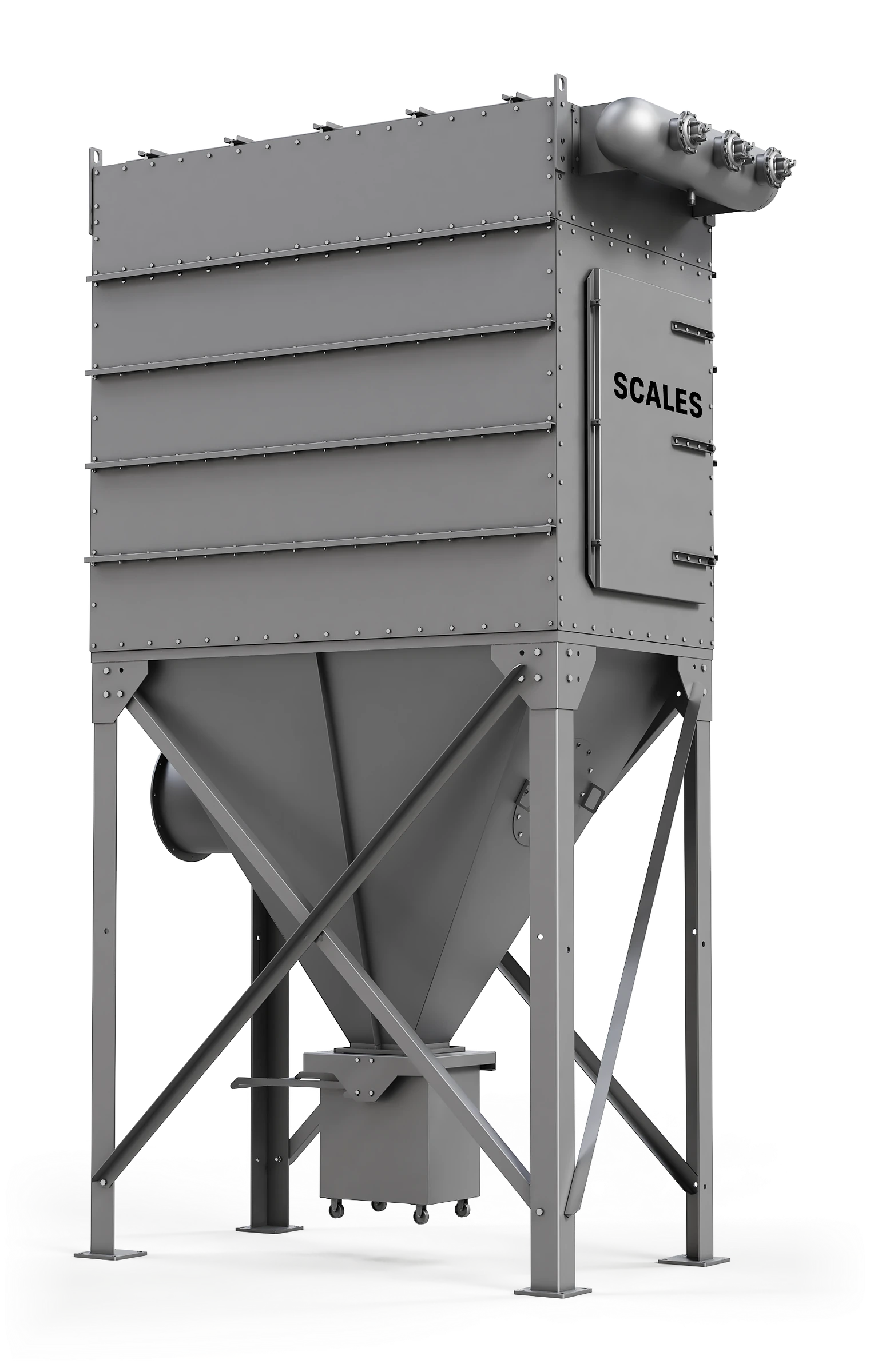
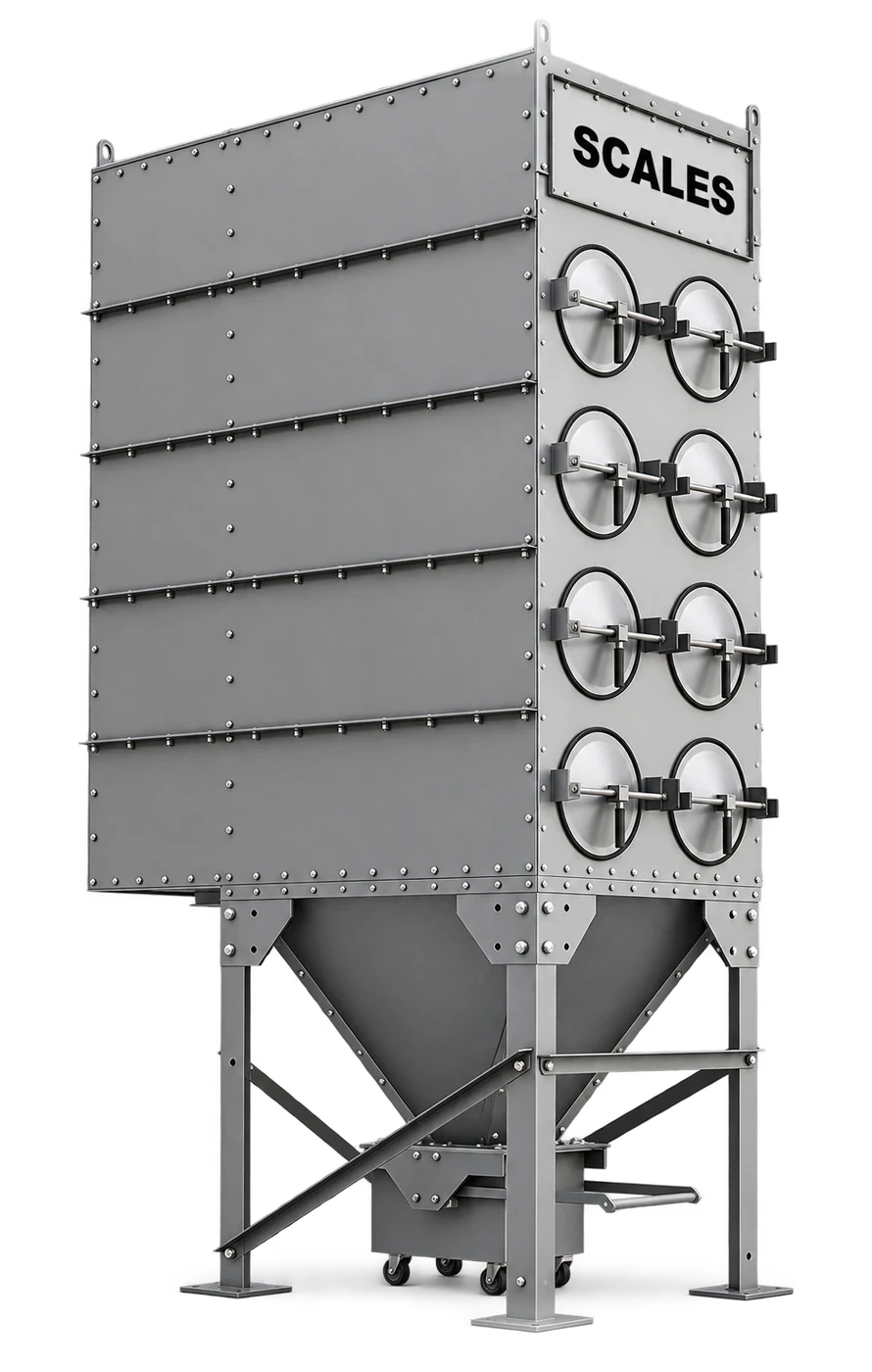
Fume and dust from many stations go through one duct network to one central filter. The three series differ in cartridge orientation: choose by hall height and the side you change cartridges from.
Review my processSERIES ENTRIES
01
Choosing between the three series
| Series | Cartridges | Range | Best for |
|---|---|---|---|
| SLF long cartridge | Vertical, Φ160×2400 mm | SLF-11 to SLF-102, 198–3,960 m² filter area | High-airflow central systems in tall halls |
| SVF vertical cartridge | Vertical, Φ325×1000 / 1200 mm | SVF12-1 to SVF12-8, 216–2,880 m² depending on media | Medium and large welding, cutting and grinding systems |
| SHF horizontal cartridge | Horizontal, Φ350×660 mm on slide rails | SHF12-1 to SHF20-7, 240–2,800 m² with nano-membrane | Limited headroom; cartridges changed from the side |
02
Where it fits
- Welding and thermal cutting
- Robot cells, body-welding lines, laser and plasma tables: one hood or zone per station, branches into a main duct, one collector.
- Grinding and surface preparation
- Grinding, polishing, shot and grit blasting collected centrally; heavy branches get a pre-separator before the inlet.
- Many stations and future expansion
- Modular housings add filter area by adding modules; leave space and access for extra modules when planning a new plant.
03
Conditions of use
- Ambient-temperature fume and dust. If the inlet is hotter than the media allows, cool the gas first or use a baghouse.
- Oil mist, very humid or sticky dust do not go to cartridges; use mist or wet collectors.
- Systems with many sparks from cutting or grinding get a spark arrestor or pre-separator at the inlet.
- Combustible dust such as aluminium or magnesium gets explosion venting, antistatic media and earthing to suit the dust.
NEXT STEP