
Capture dust, fume and oil mist at the source.
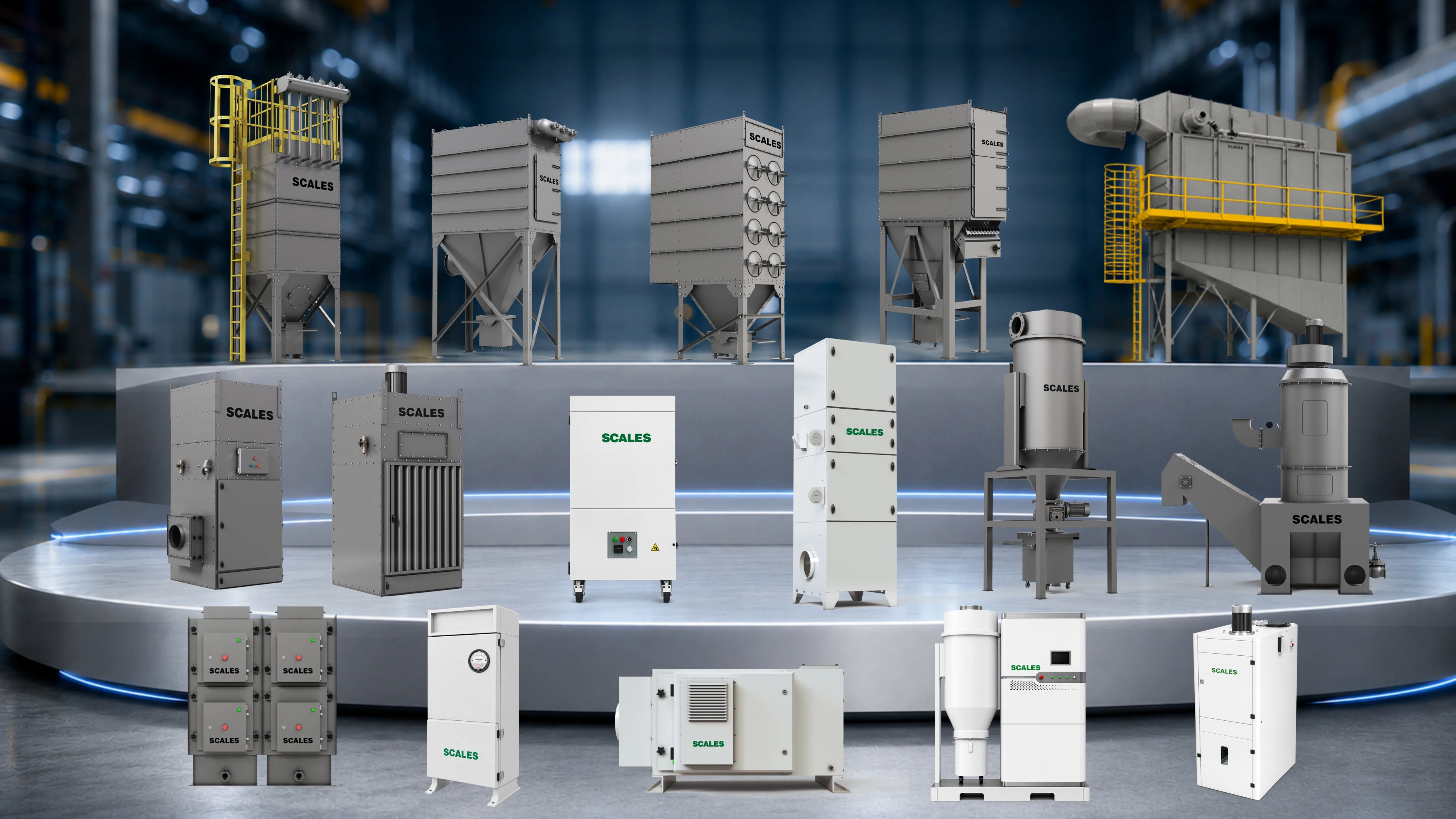
SCALES is a U.S.-invested industrial air filtration brand supplying dust, welding-fume and oil-mist collection for welding, cutting, grinding, machining and foundry shops. Our 19 standard series are built at our manufacturing base in Shandong, exported to 20 countries, and serve construction machinery, automotive, foundry, battery-material, machining and heat-treatment plants.
Start from your process,
then choose the capture.
Welding, grinding and machining in the same shop release completely different contaminants. Get the process right and the hood, airflow and equipment follow.
18 industry applications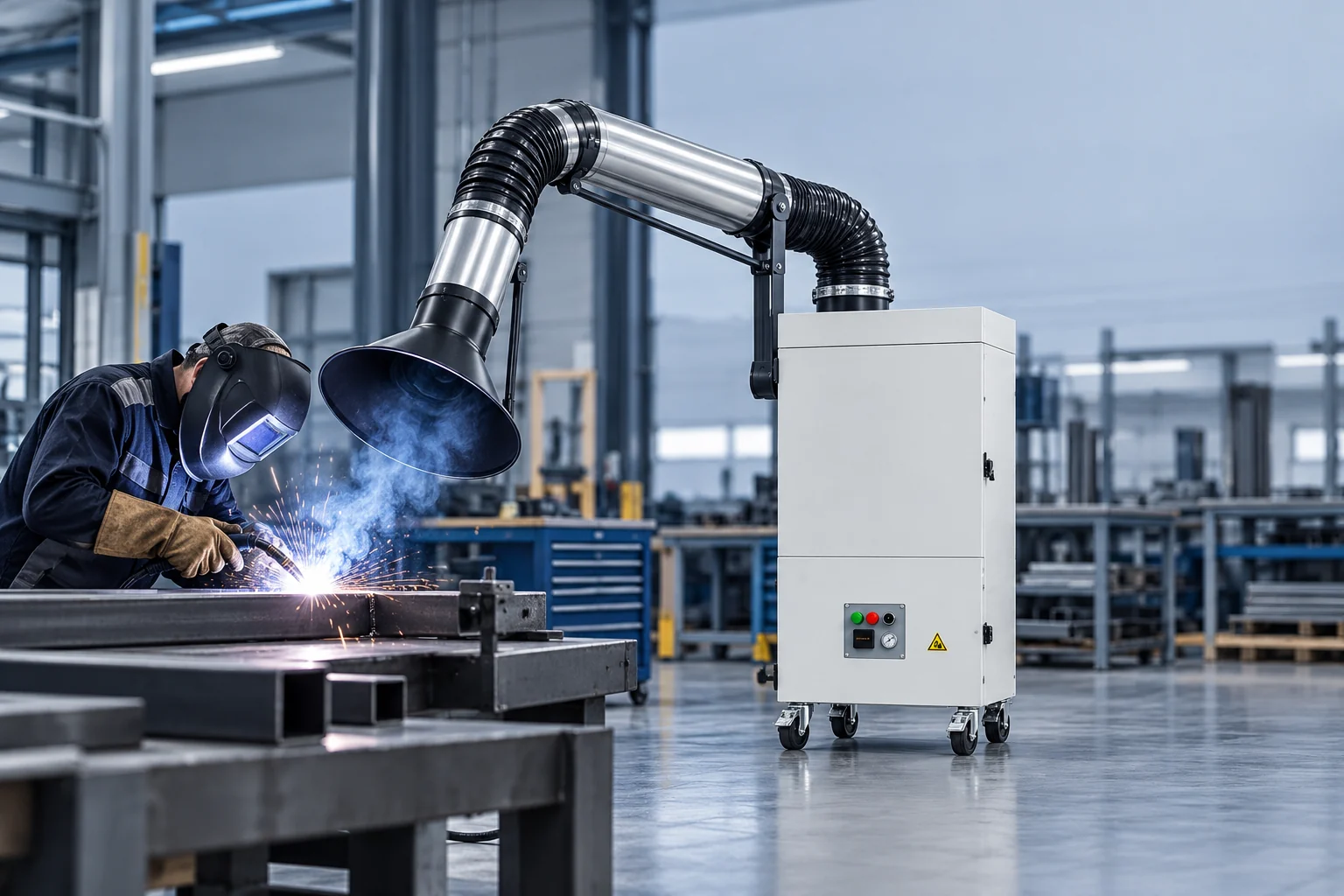
Welding fume
Particles are mostly below 1 micron and rise with the plume; capture them close to the weld.
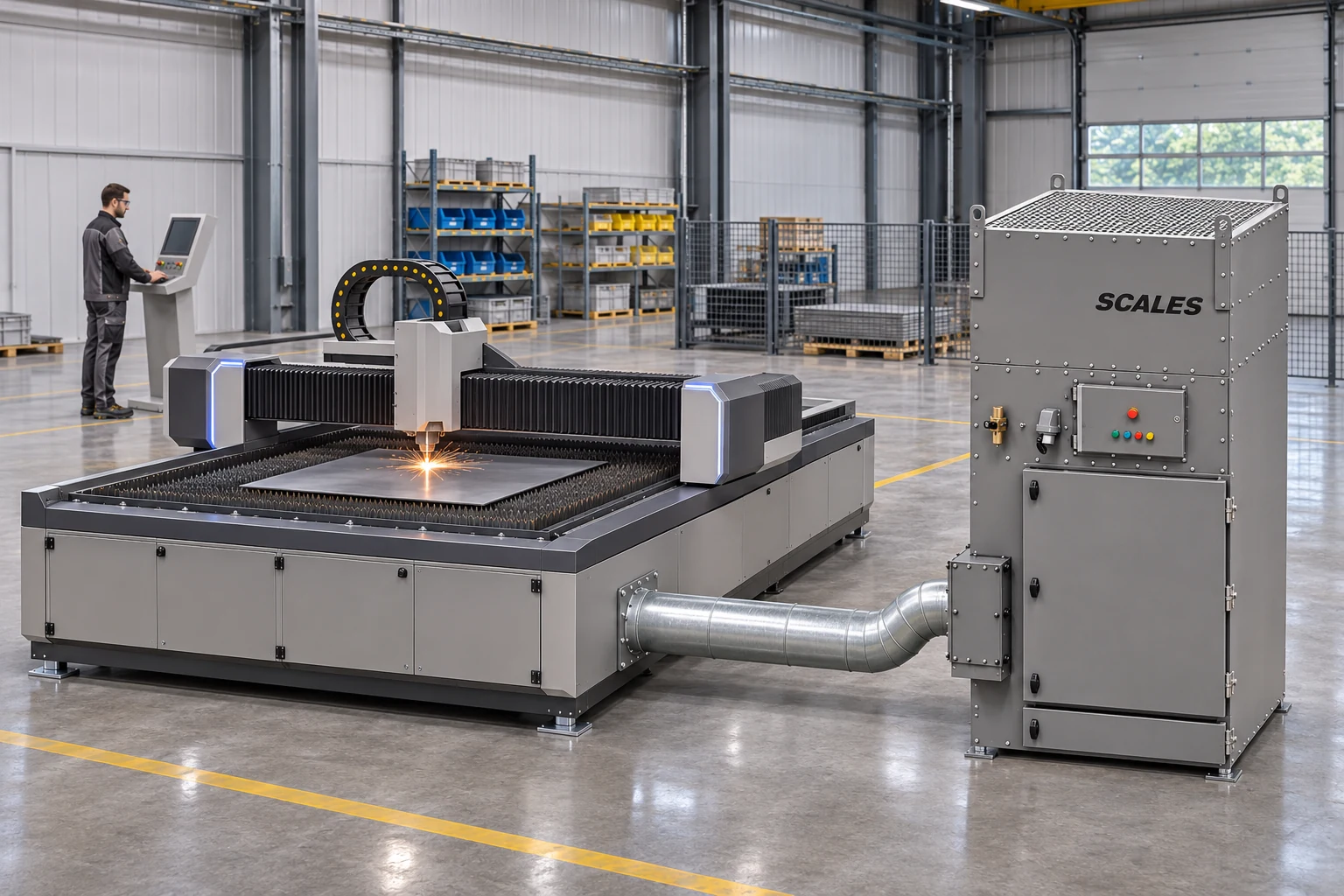
Laser and plasma cutting
Zoned downdraft under the table, spark control and flame-retardant media.
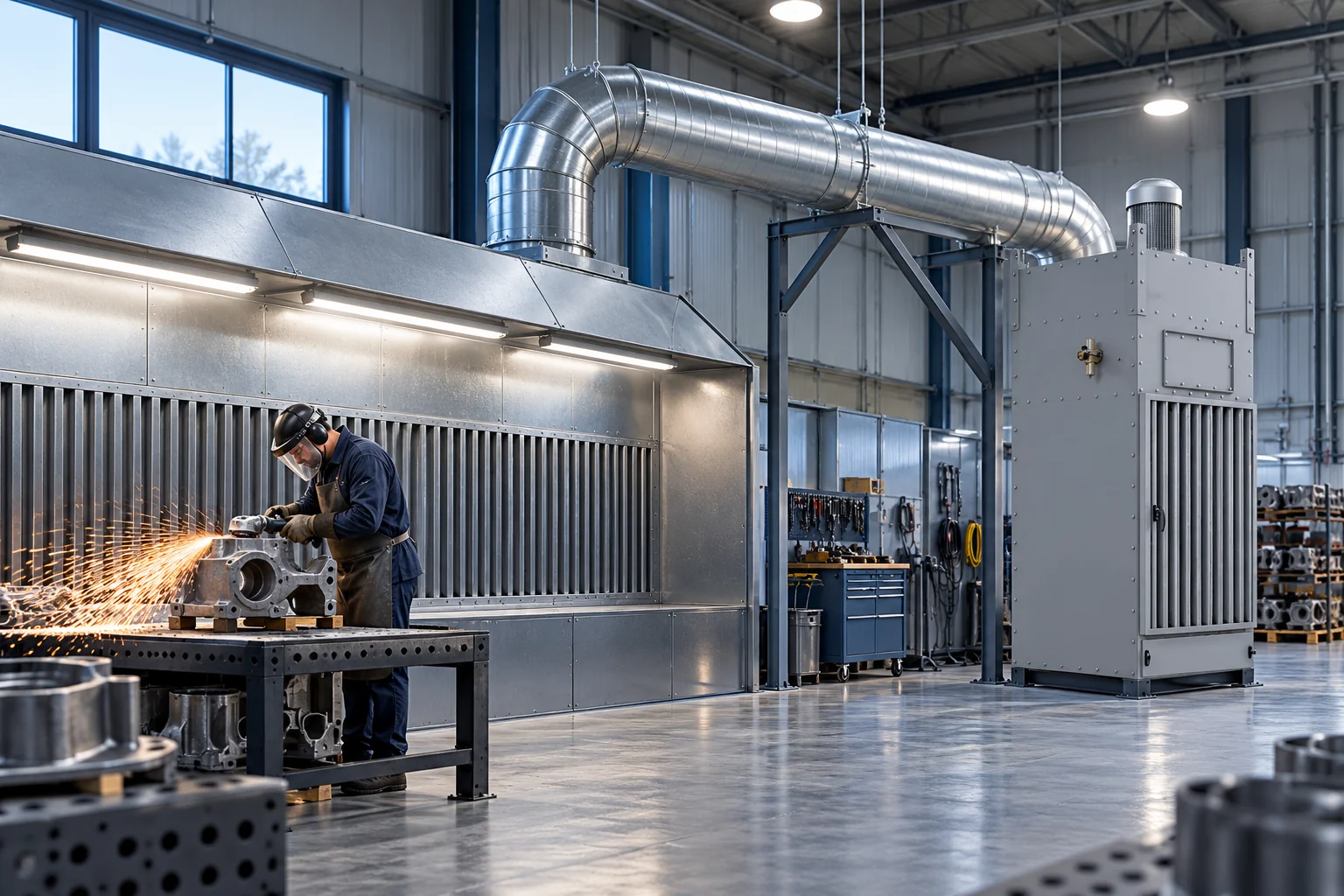
Metal grinding and polishing
Coarse, heavy dust with sparks; aluminium and magnesium dust needs explosion protection.
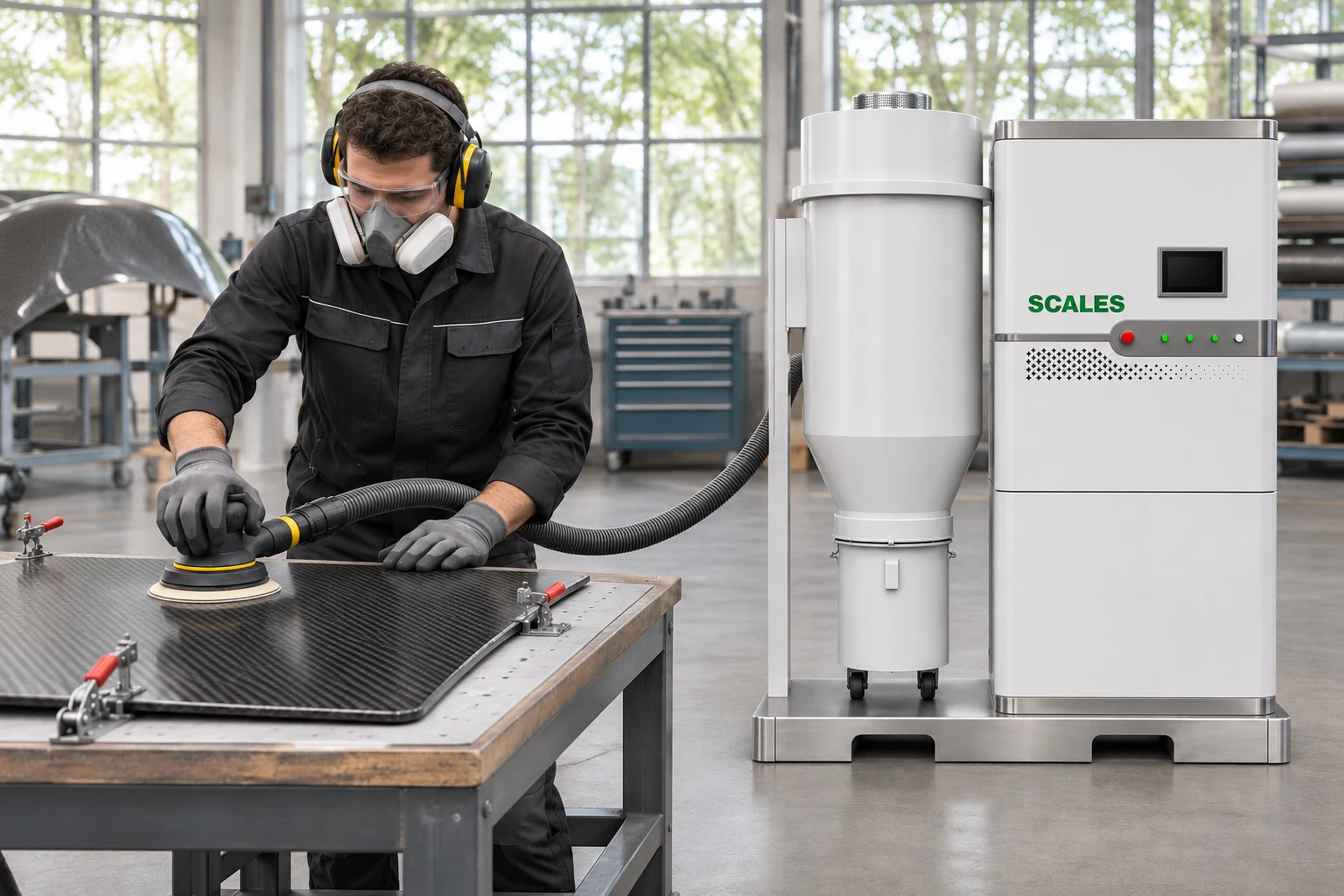
Composite cutting and sanding
Fine, light fibre and resin dust; carbon dust is conductive, so extract at the tool.
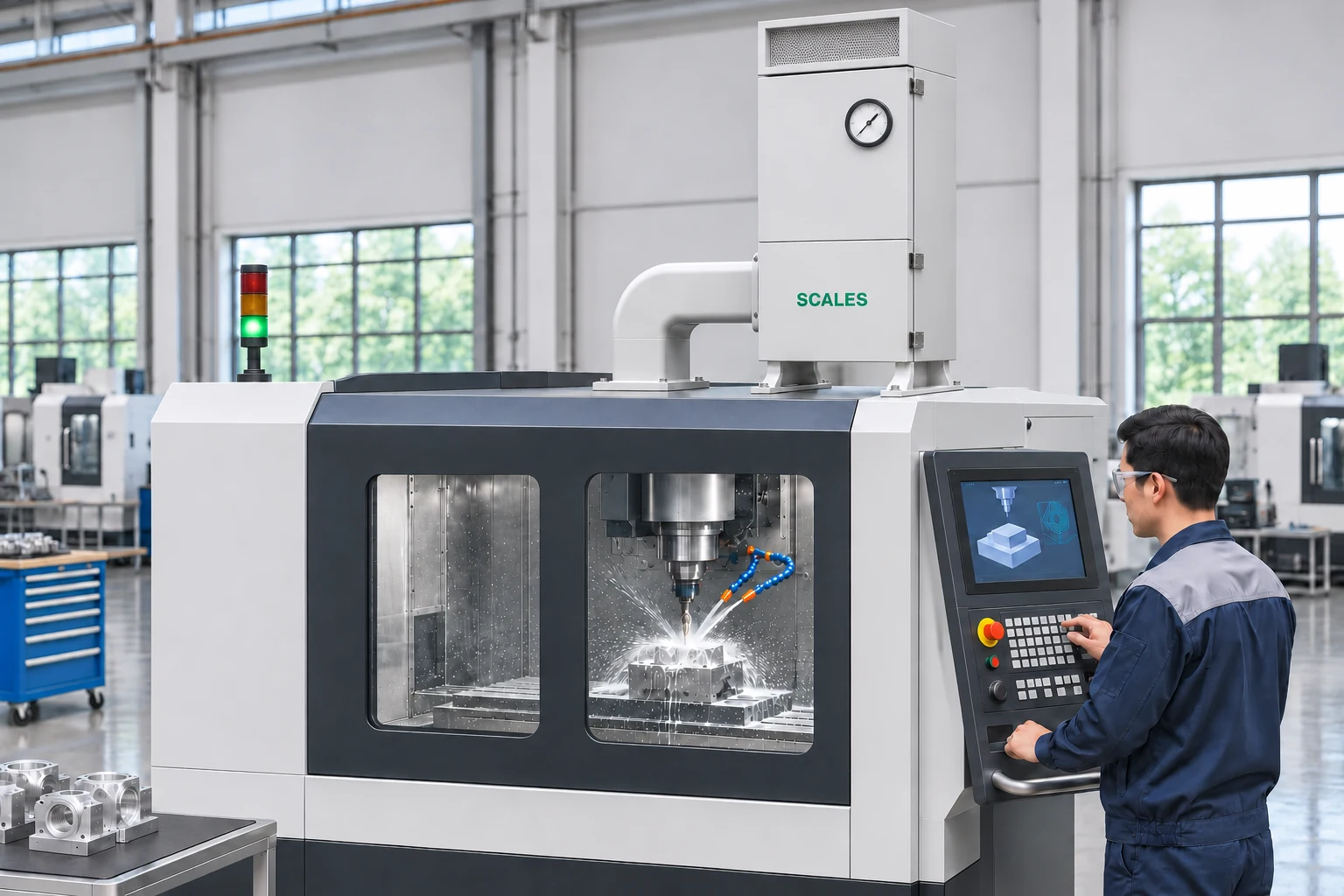
Machining oil mist
Coolant and cutting oil are atomised at speed and escape when the door opens.
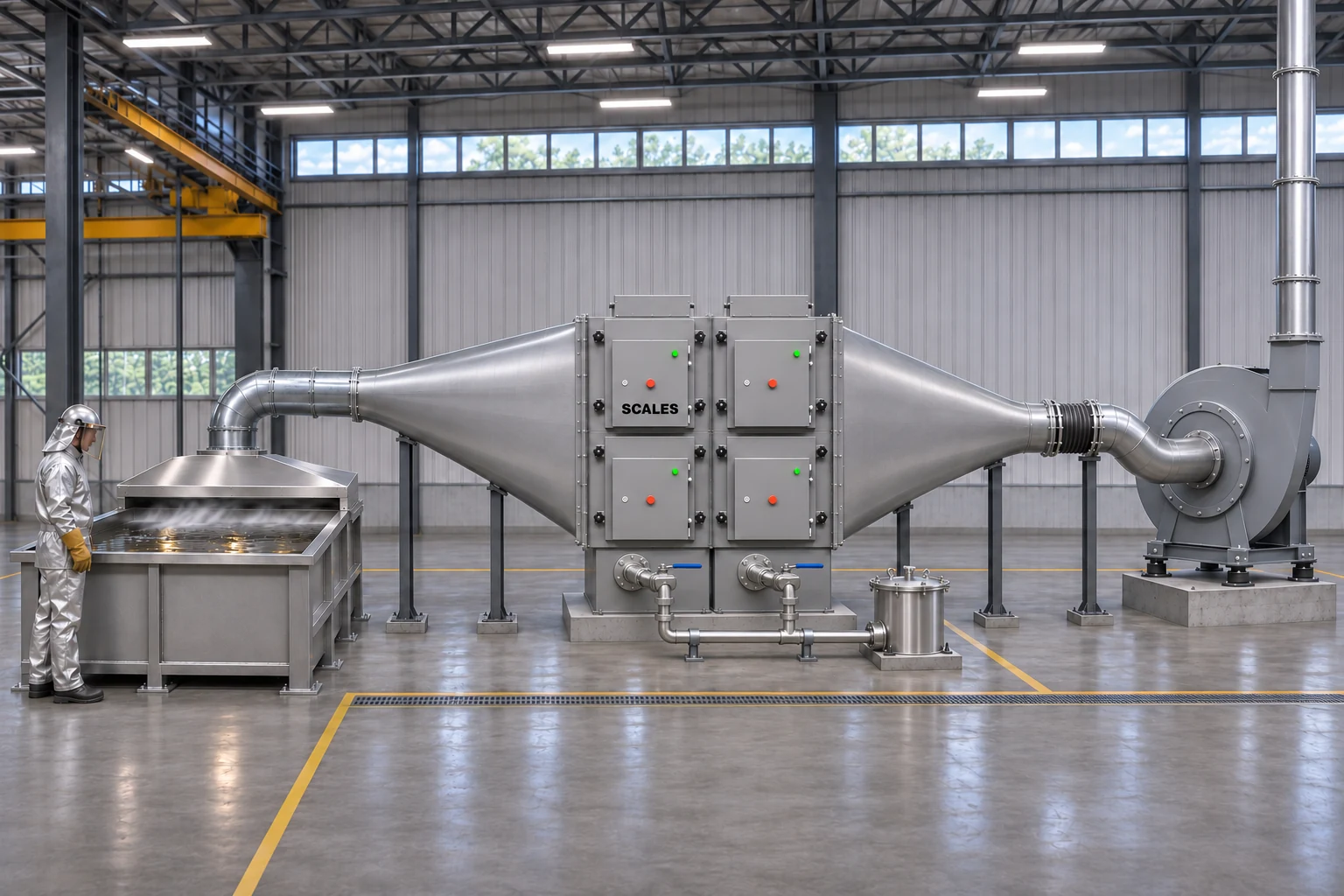
Heat treatment and oil smoke
Quench oil evaporates and condenses into fine, sticky smoke; electrostatic collection suits it best.
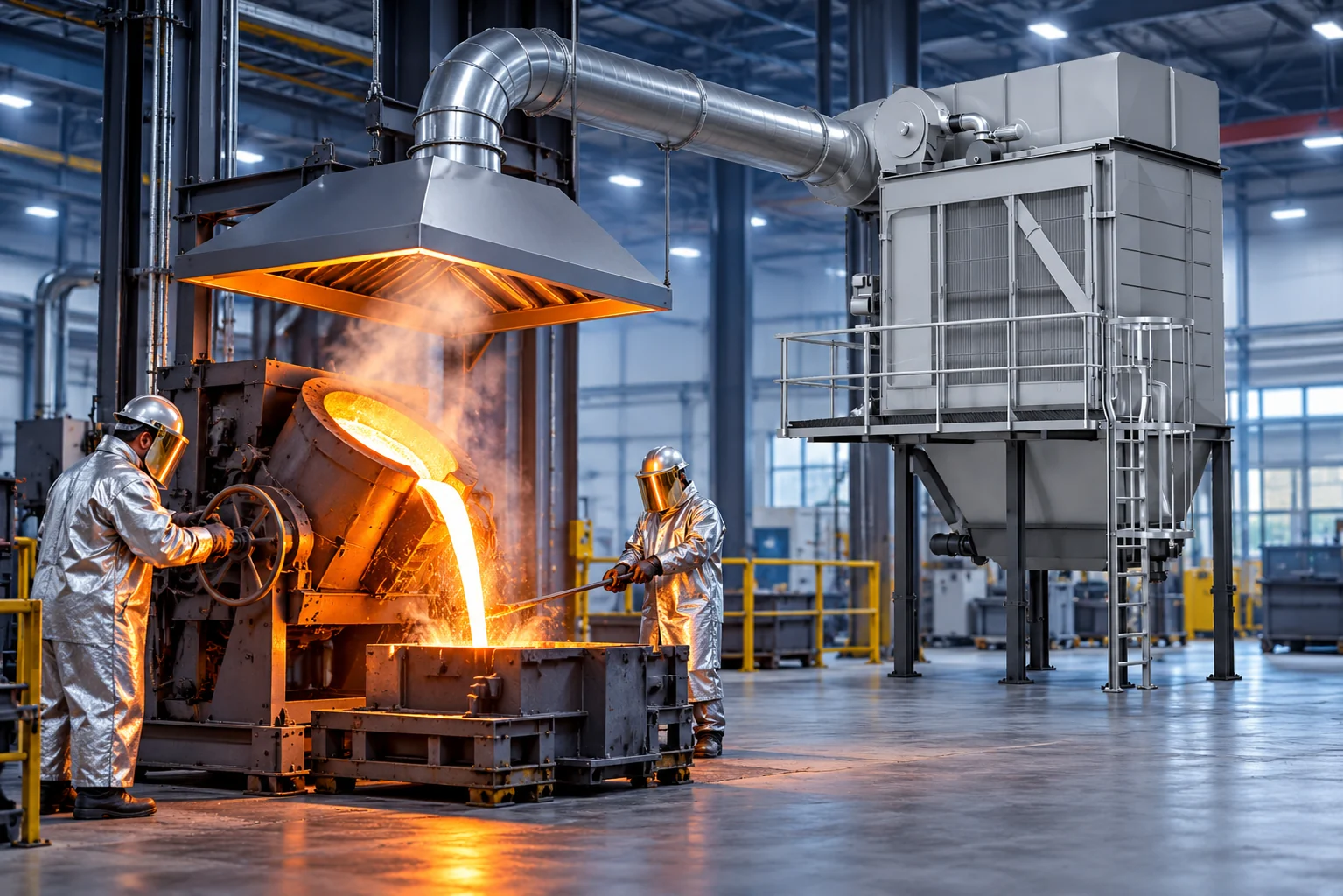
Foundry melting fume
Hot, high-volume and cyclic fume; cool it before heat-resistant filter media.
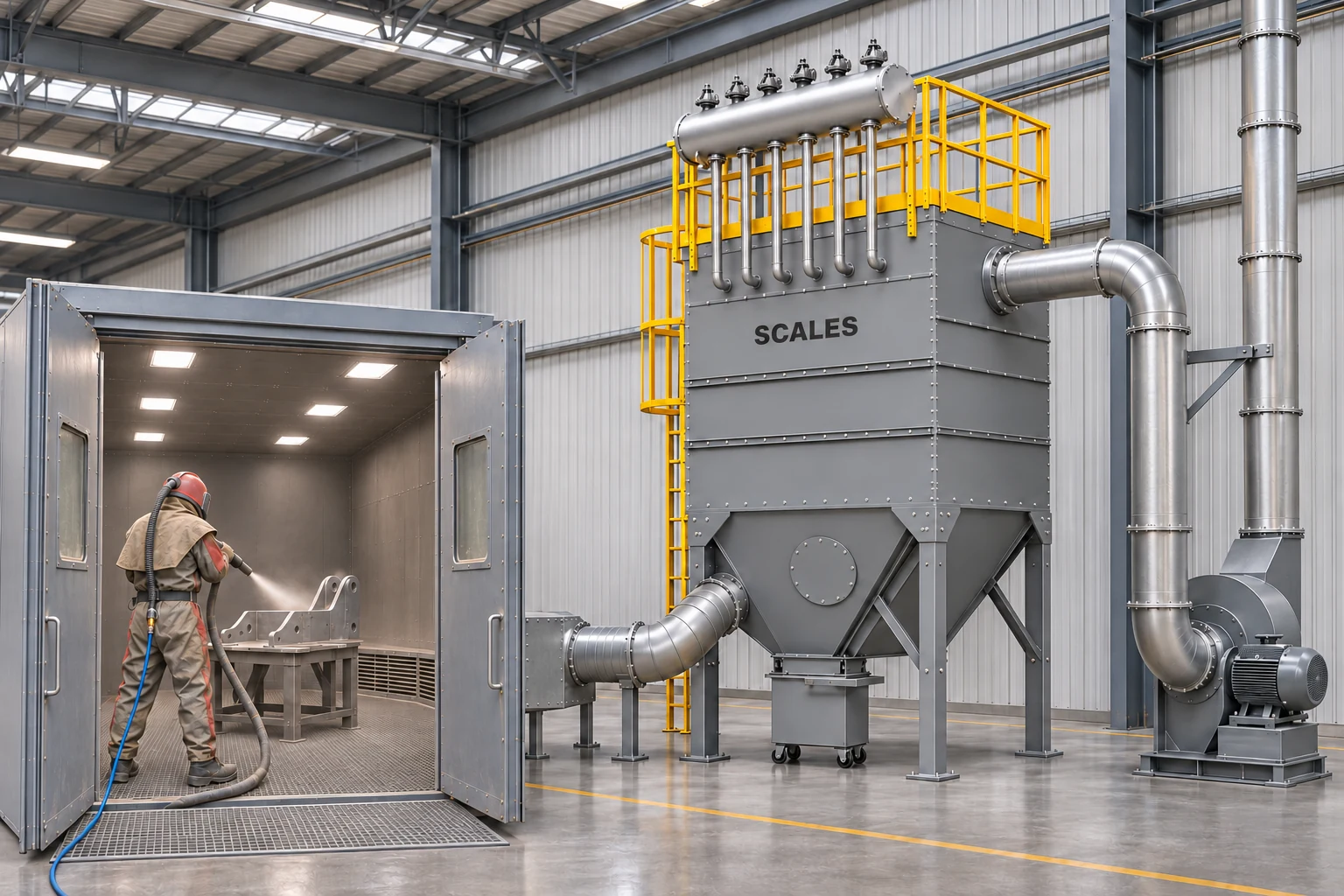
Blasting and shot blasting
Mixed abrasive, substrate and coating dust: heavy and abrasive, so pre-separate first.
Eight equipment routes,
from one workstation to a whole plant.
Choose the equipment type by contaminant and scale, then the model by airflow or filter area. Every series has full data, structure drawings and maintenance guidance.
All 19 seriesCentral cartridge collection
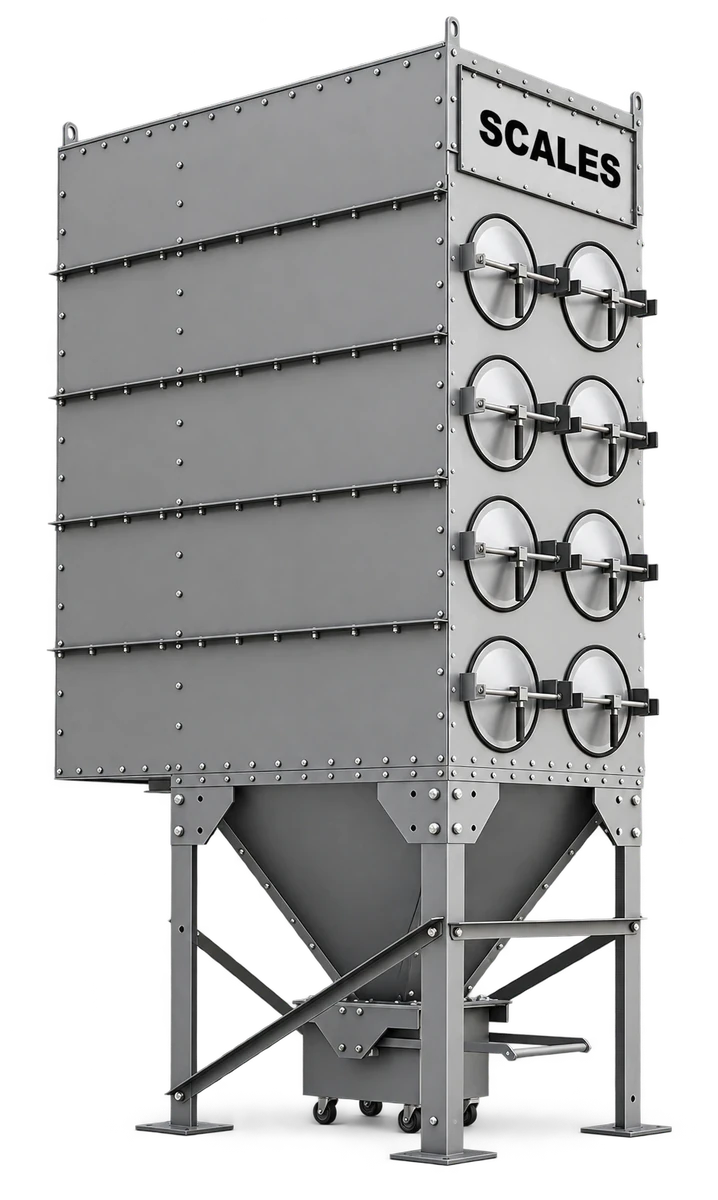
Standalone and integrated
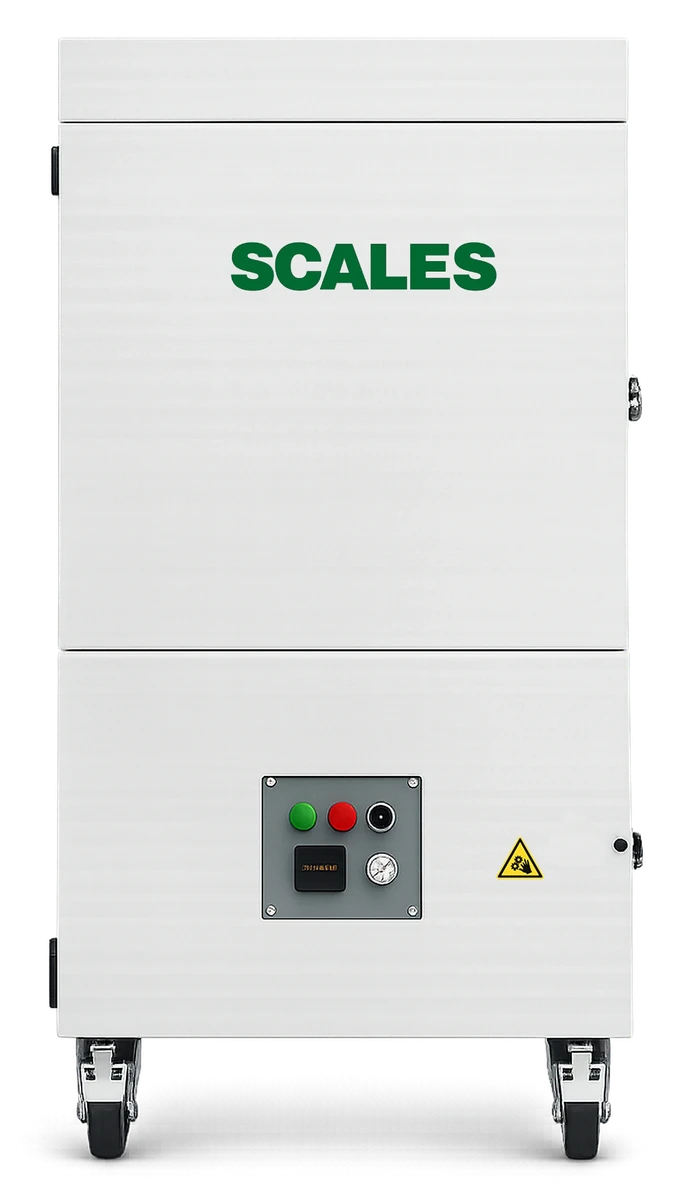
Workroom cartridge
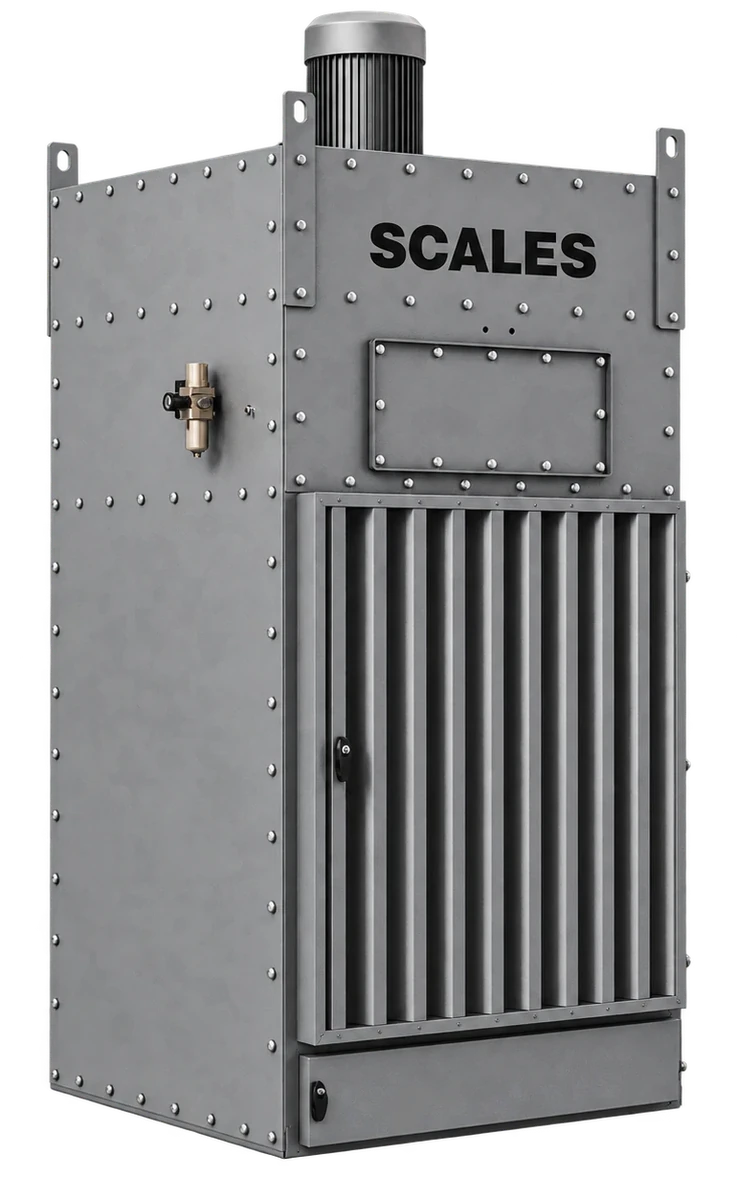
High-vacuum extraction
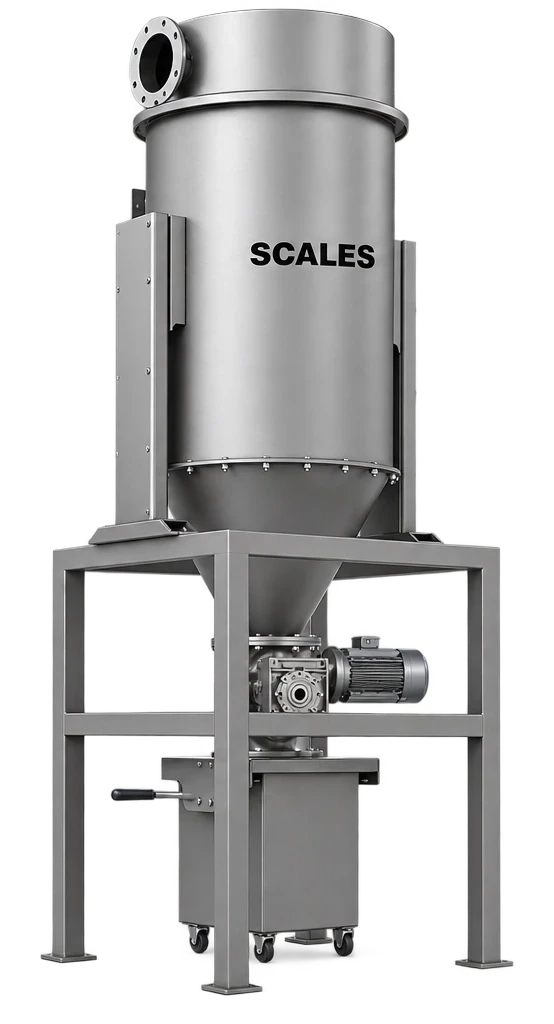
Baghouse collection
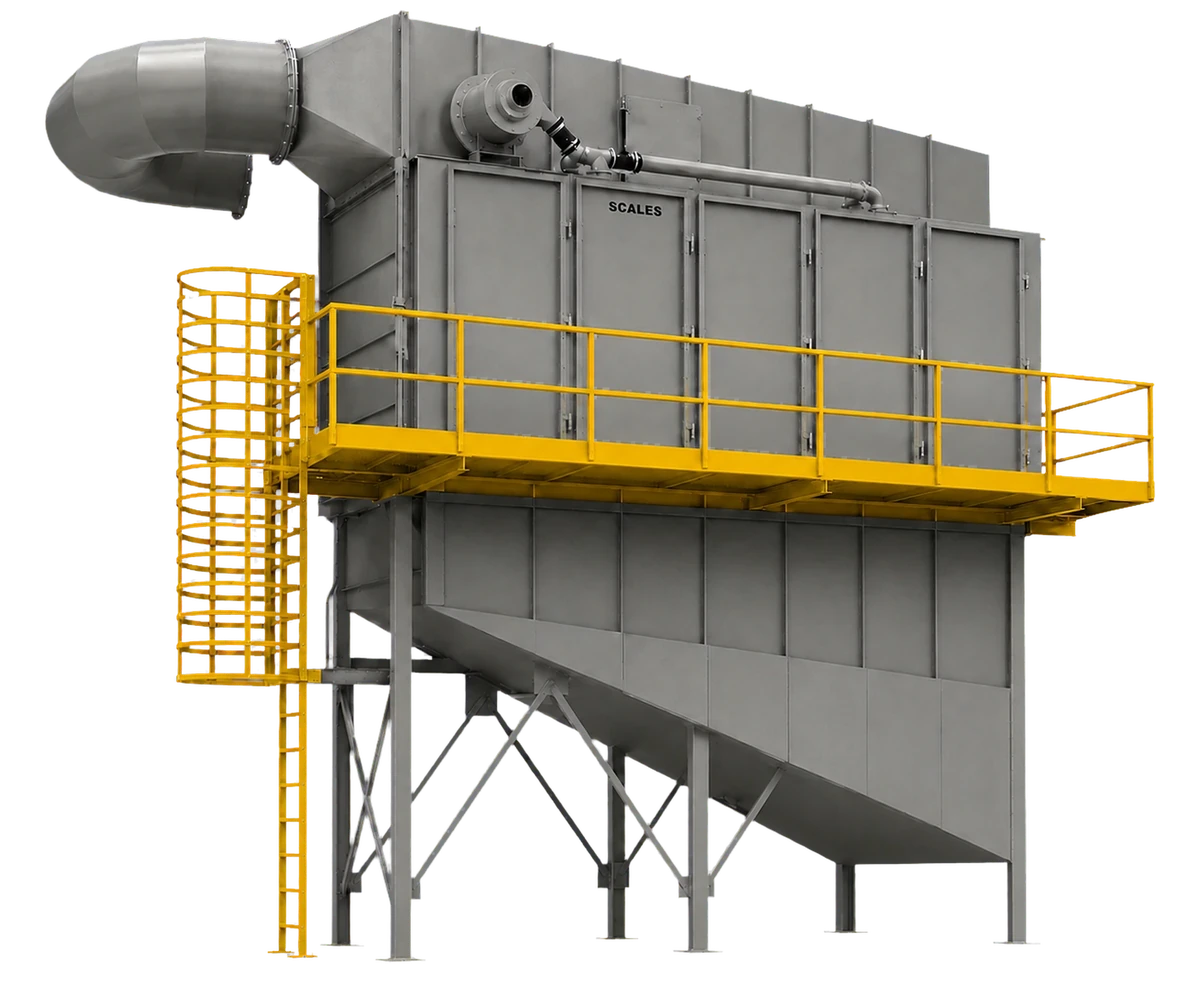
Wet collection
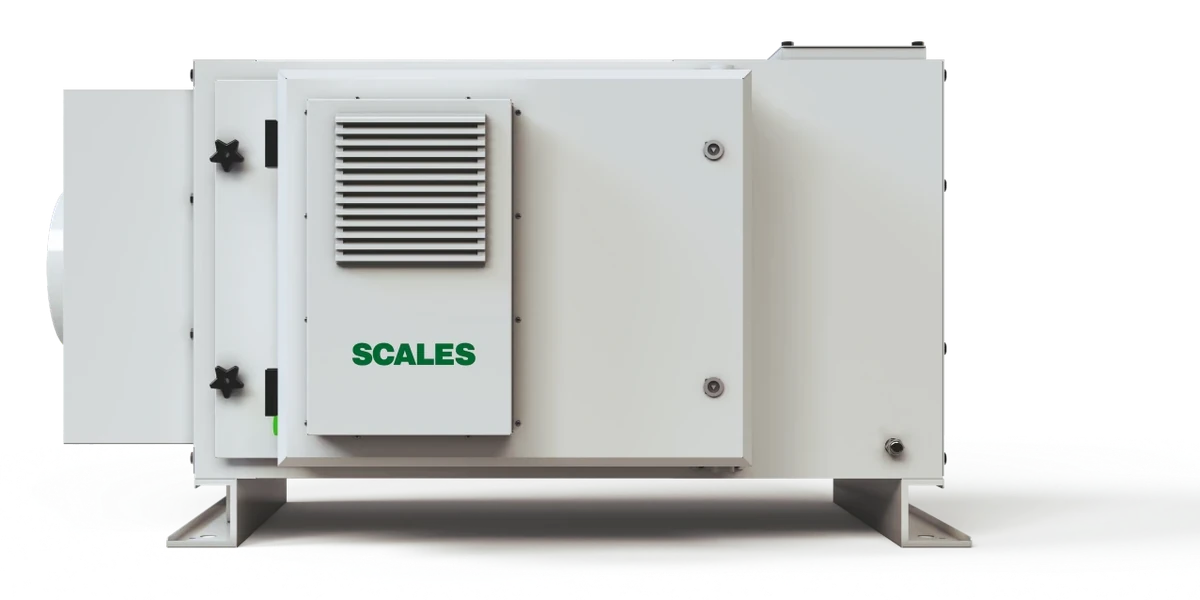
Electrostatic mist and smoke
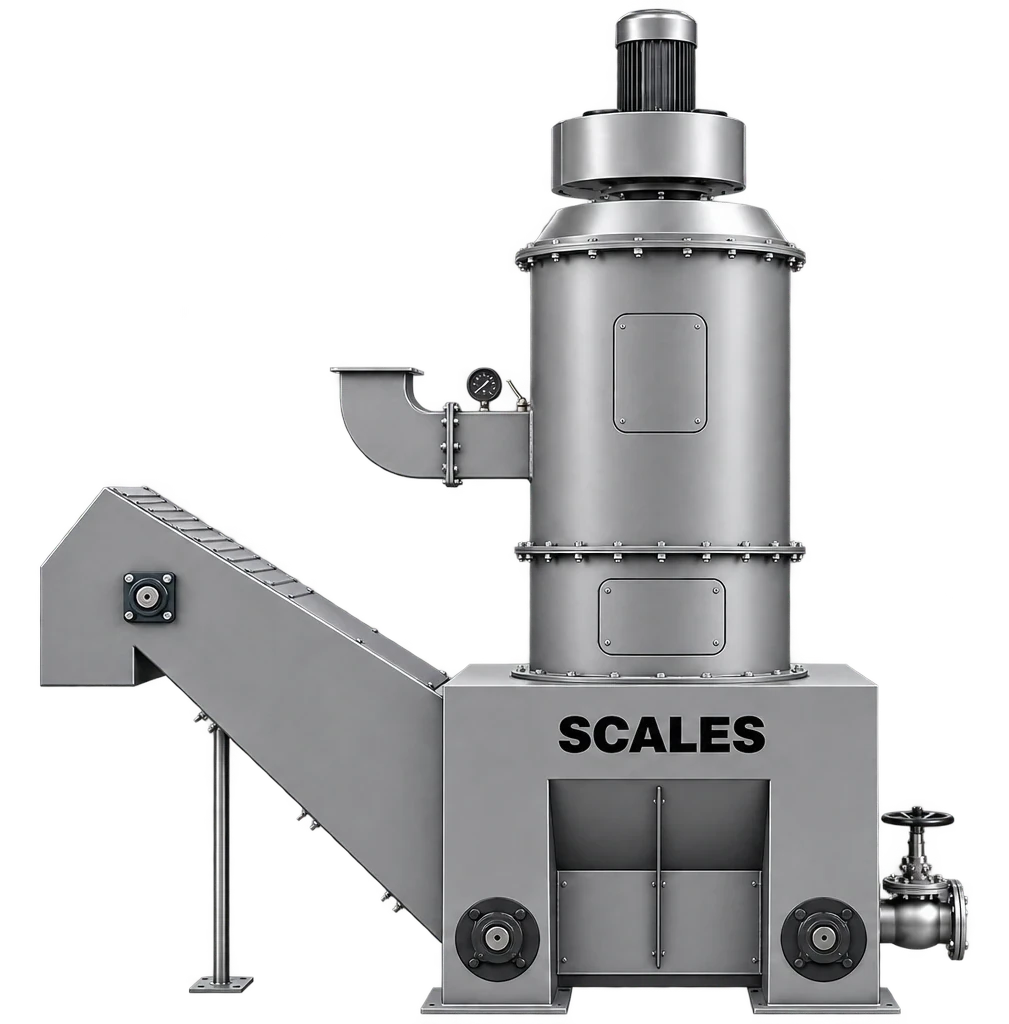
Mechanical mist and smoke
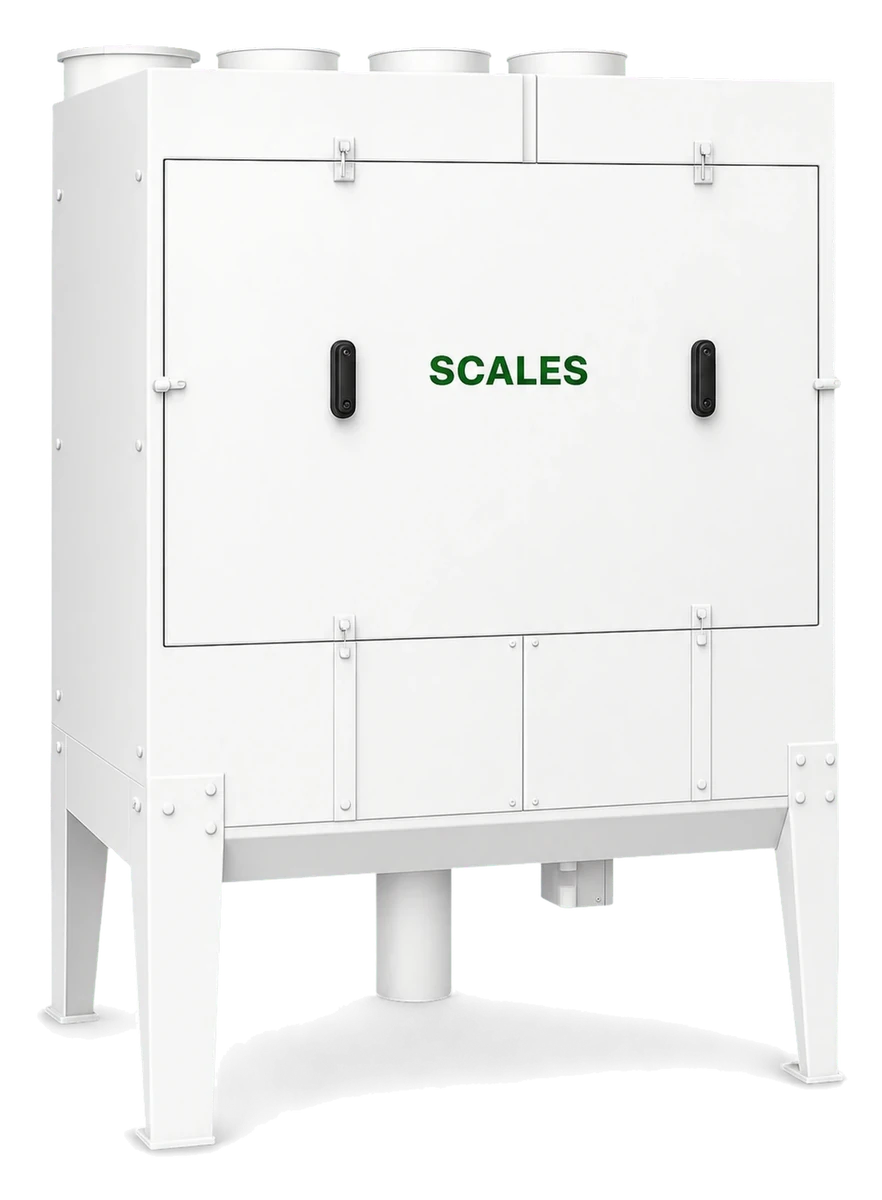
Understand the process before recommending equipment.
Six letters, six steps on every project: from where the contaminant is released to whether the equipment still runs well ten years on.
The six stepsSource
Material, process, particle size, temperature, moisture and combustibility.
Capture
Hood type, distance from the source and working space.
Airflow
Set airflow with Q = A·v, then size ducts, resistance and the fan.
Limits
Sparks, heat, explosion protection, power supply and site conditions.
Efficiency
Media, filtration velocity, cleaning method and emission target.
Sustain
Pressure monitoring, spares and inspections keep it running for years.
Project references across industries.
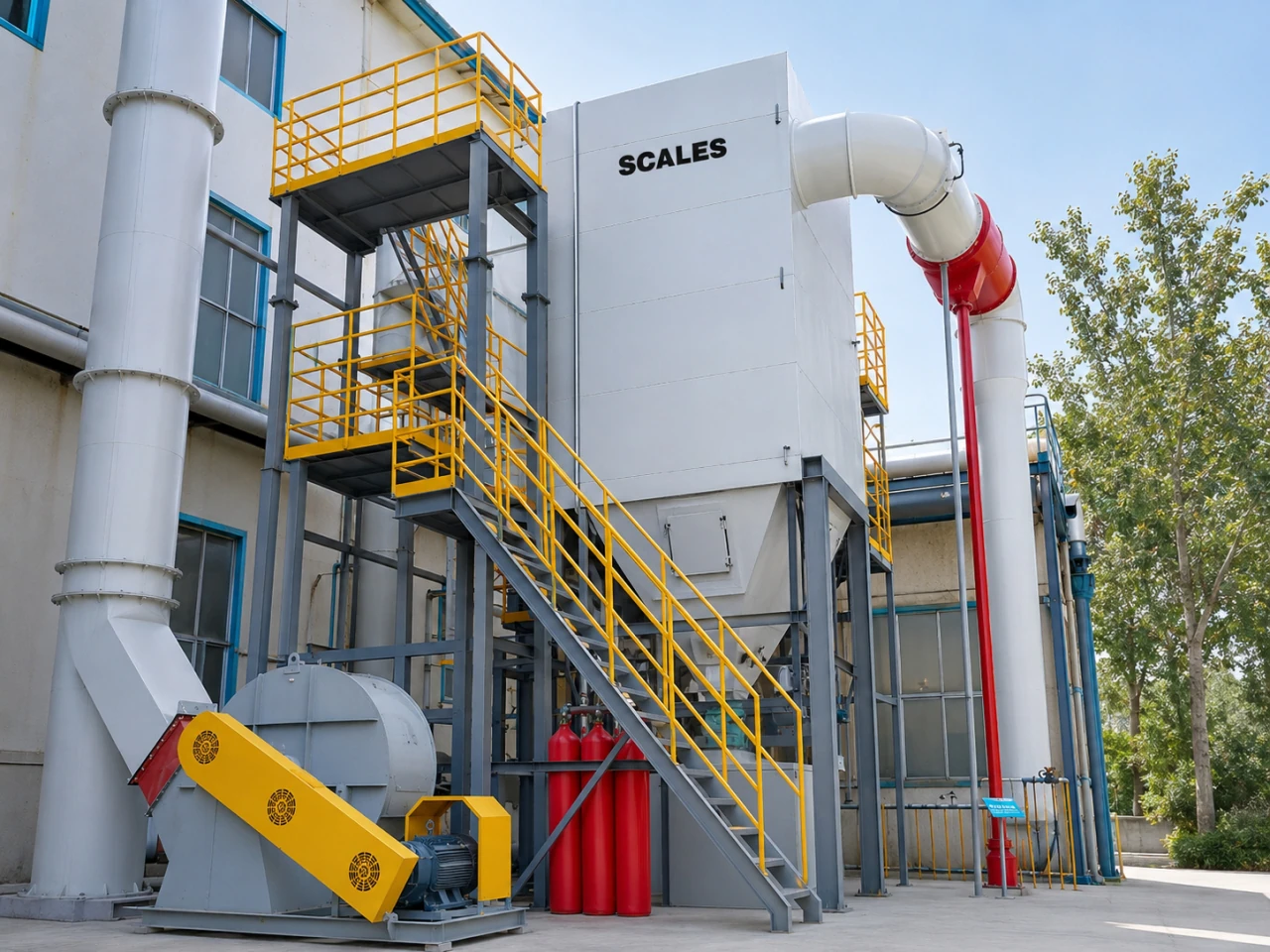
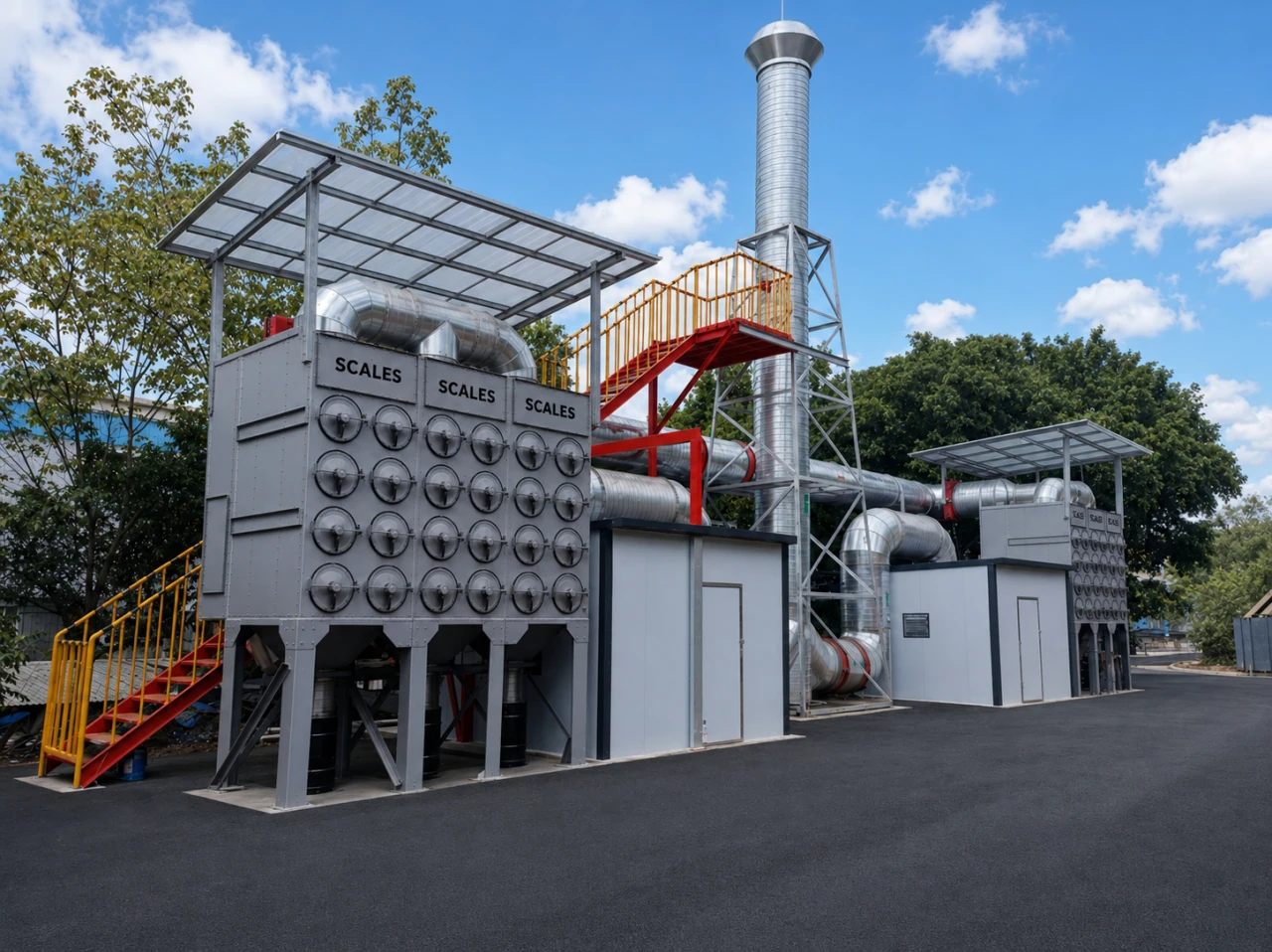
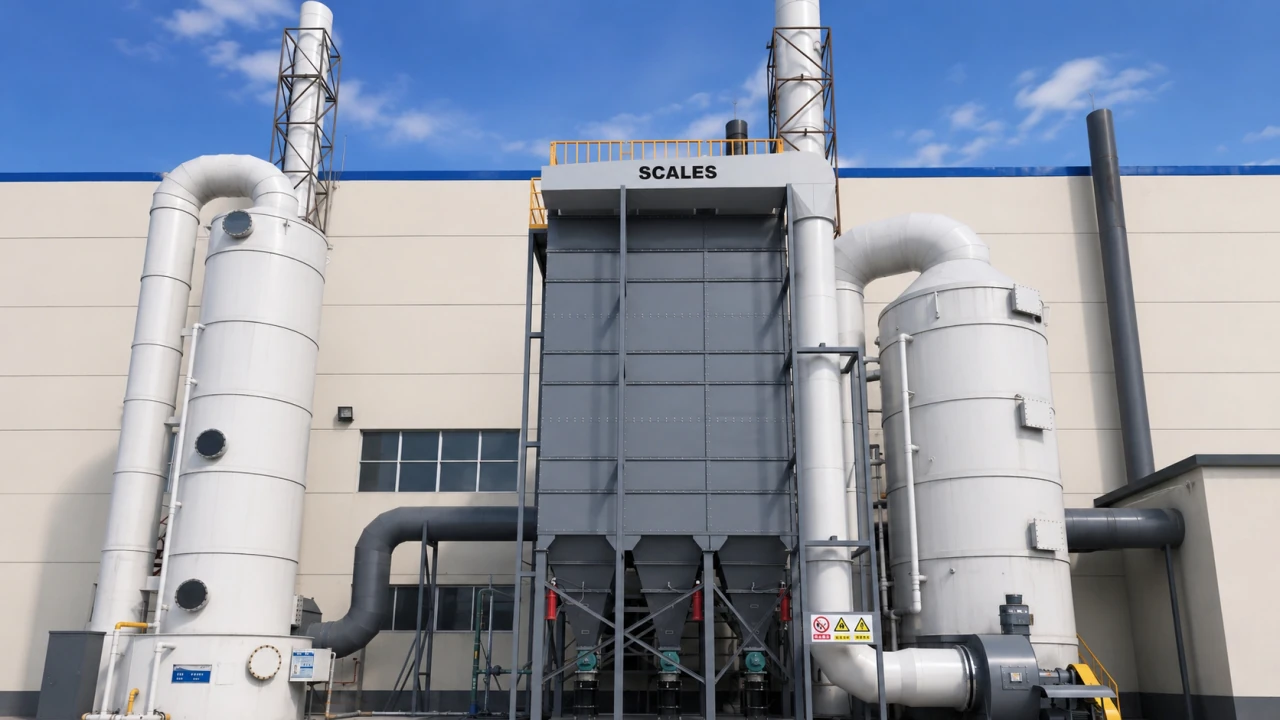
Chongqing · Welding fume on production lines
Single-stage central dust-collection system
Zibo, Shandong · Melting furnaces, pouring and cooling, electric-furnace fume
Single-stage central dust-collection system
Wuxi, Jiangsu · Cathode-material dust (explosion-protected)
Single-stage central explosion-protected system: cartridges
Shanghai · Emulsion mist from machine tools
Pre-treatment + two-stage electrostatic central system
Dalian, Liaoning · Oil fume at an electric-motor plant
Central system: pre-filter + two-stage electrostatic
Guangdong · Shot blasting of container steel plate
Two-stage central system with fire suppression, explosion venting, level detection and temperature control
Our own manufacturing base:
every unit inspected before dispatch.
Since 2020 our equipment and cartridges have been built at our Shandong manufacturing base: a 3,000 m² fabrication workshop with an annual capacity of 5,000 units, laser cutting, CNC bending, welding and finishing, cartridges made to one standard, and every unit assembled, tested and inspected before dispatch.
Inside the factory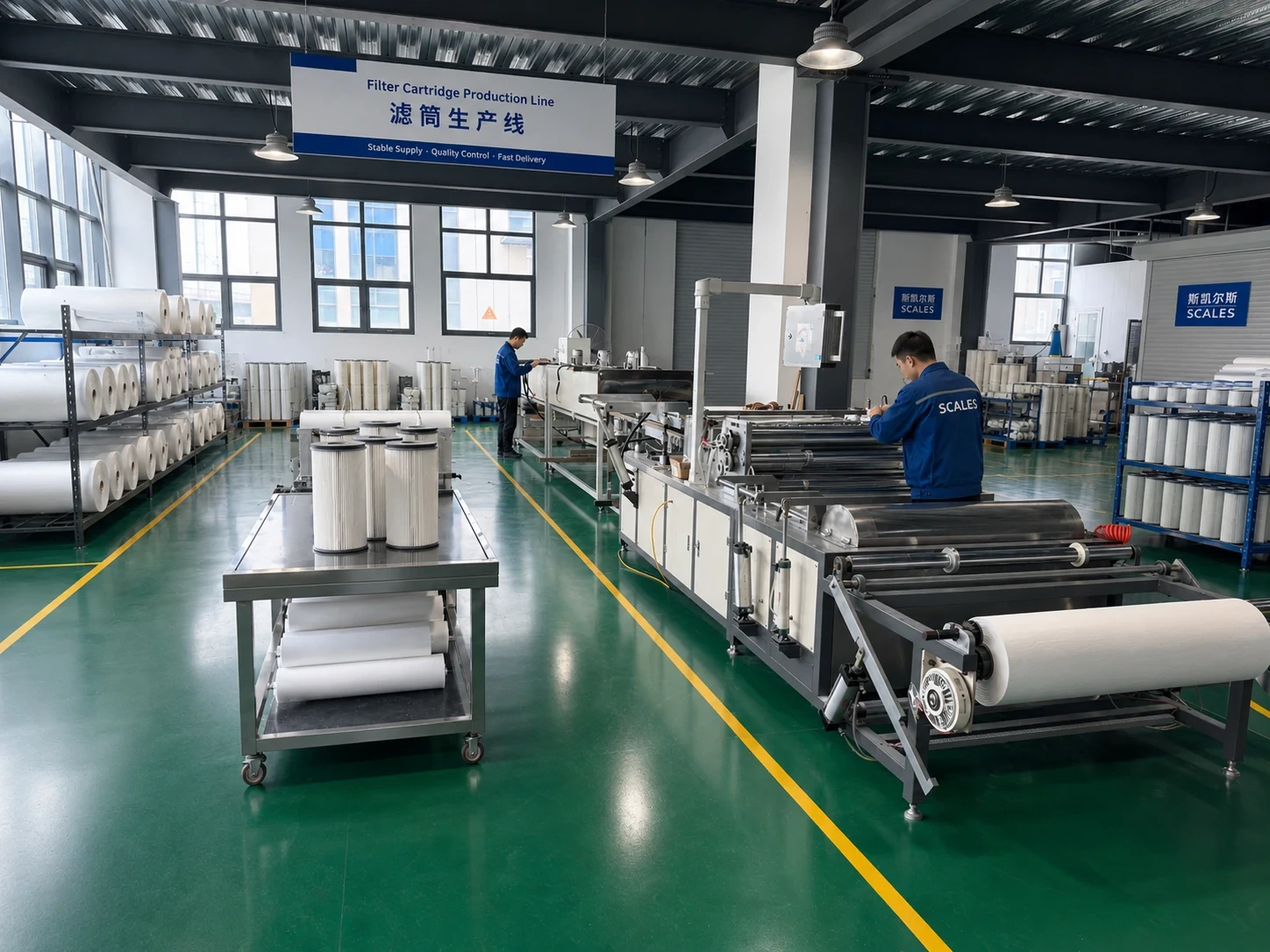
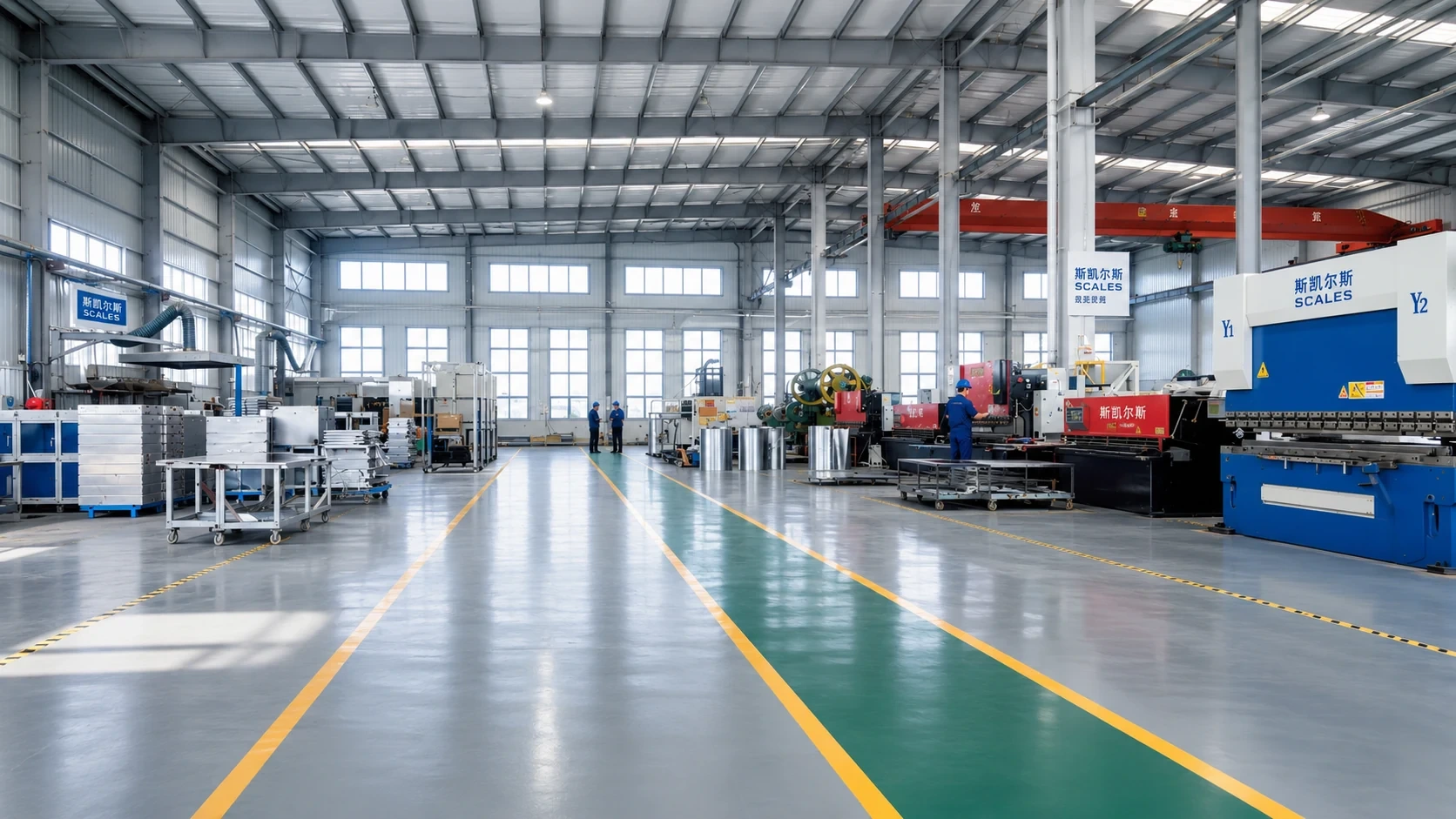
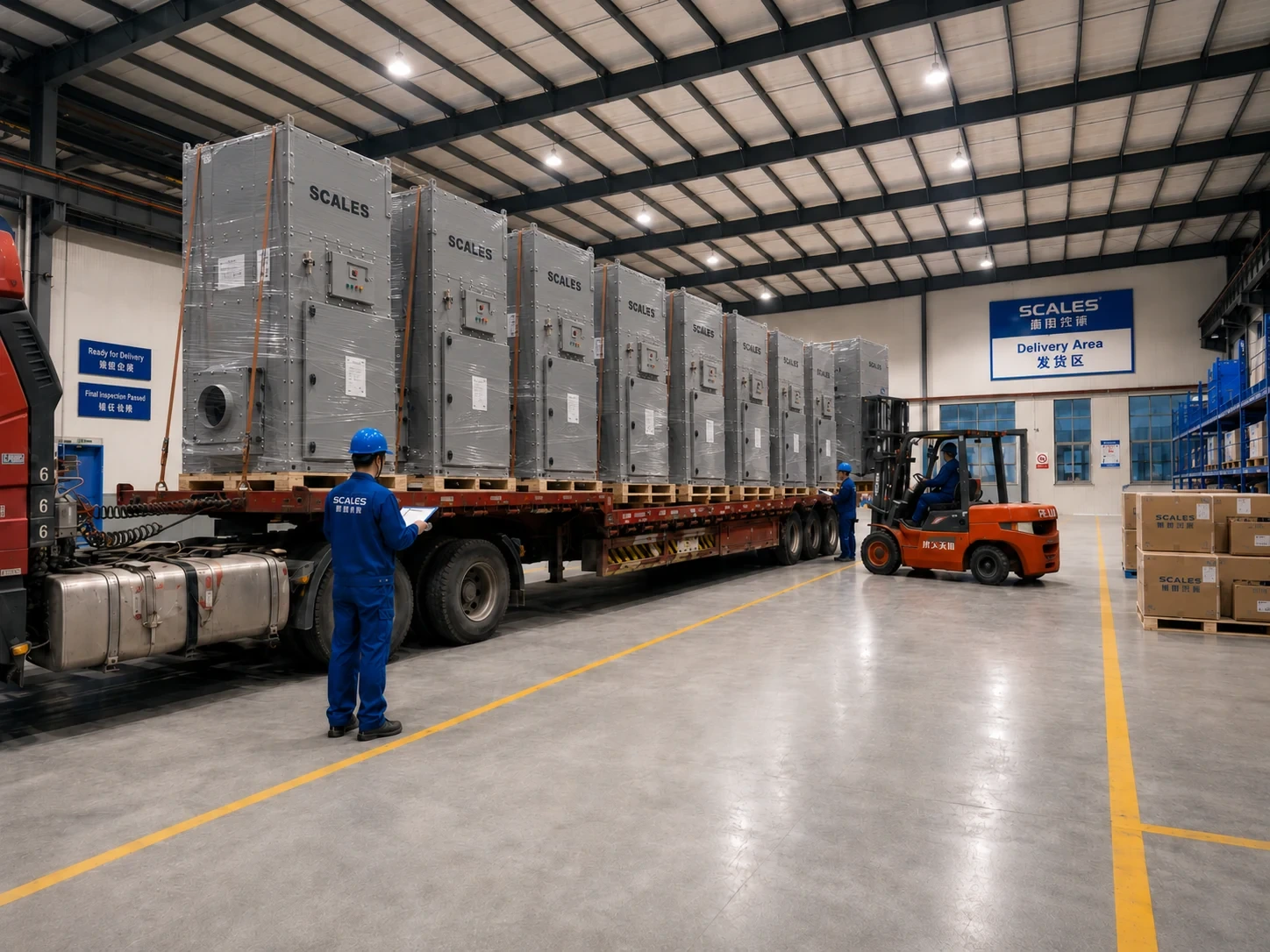
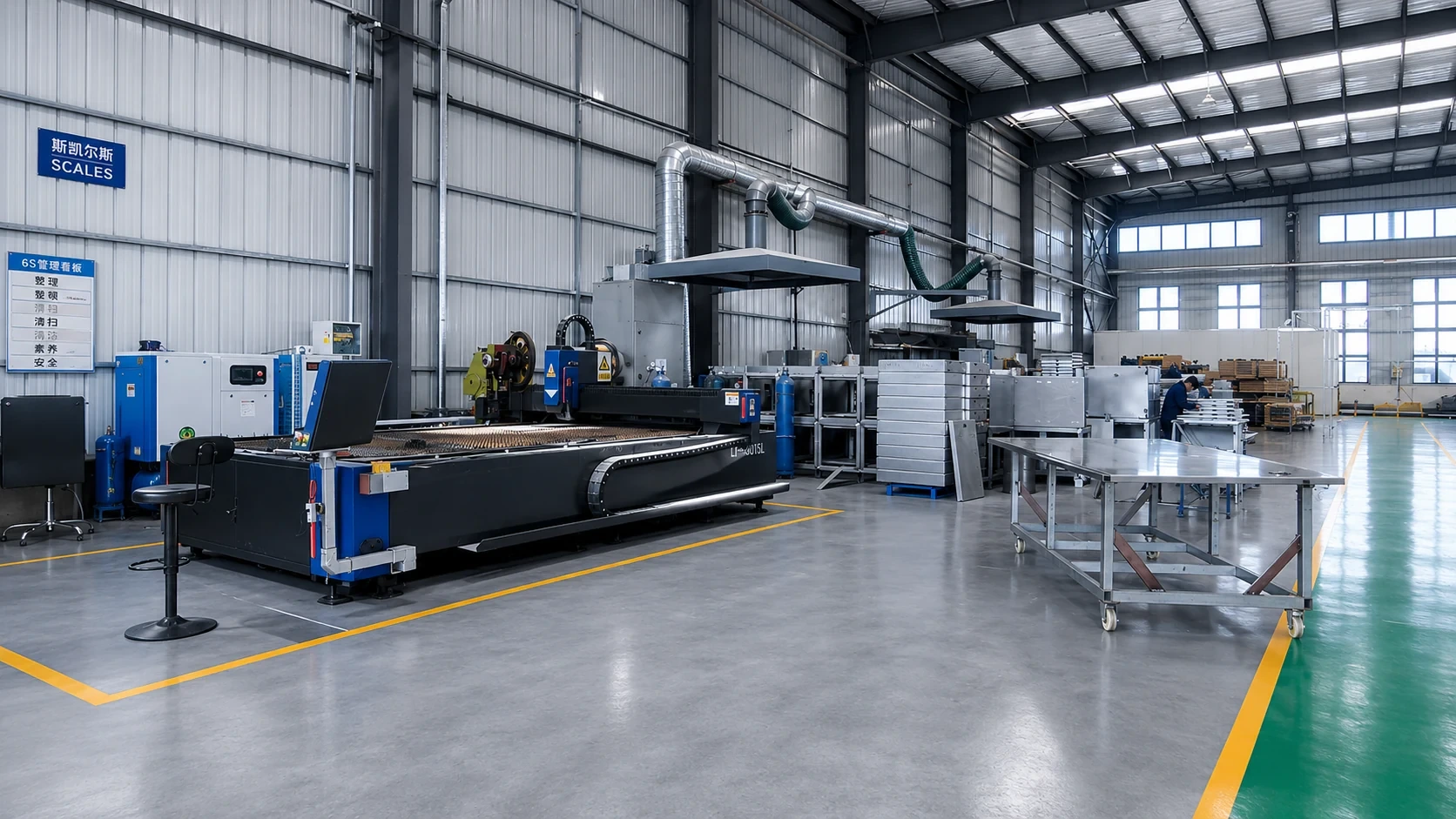
Certification
- 9001Quality management
- 14001Environmental management
- 45001Occupational health and safety
- 7utility-model and design patents
Answers to industrial air questions.
Estimating airflow with Q = A·v
Double the hood distance and the airflow needed rises roughly fourfold: capture close to the source is the cheapest design.
Electrostatic or mechanical oil mist collector?
Mostly large droplets: mechanical. Mostly fine smoke: electrostatic. Both: separate first, then electrostatic.
When to replace filter cartridges
Check the pressure drop, whether cleaning restores it and whether dust leaks at the outlet: three signs, three actions.
Send us your process details.
Our engineers will recommend a configuration.
Call +86 531 6231 3131 or email sales@sikaiersi.com. Distributors, contractors and design institutes are welcome as partners: 19 standard series, documents in Chinese and English, selection and quotation support, and technical training.
Send your process details
Tell us the process, number of stations and site conditions; our engineers recommend a configuration.
Spares and service
Find cartridges, bags and wear parts by model and request service.
Project information
Project leads shared by region and industry, so partners can focus on the right ones.
Technical support
Selection, solution design, drawings, quotation documents and training, each with a deliverable.